
Choosing front-end protection for your semi truck isn’t as simple as picking the biggest guard you can find. If you’re a new owner-operator setting up your first rig or a fleet buyer evaluating options for multiple trucks, understanding how to choose semi truck bumper equipment that actually matches your needs saves money and prevents headaches down the road.
The wrong protection equipment either doesn’t provide enough defense for your actual hazards, or you’re paying for coverage you’ll never need. A grille guard works perfectly for highway freight with occasional deer encounters, but it won’t handle the punishment of daily forestry work. Meanwhile, spending on a heavy-duty truck guard for straight interstate hauling means you’re carrying extra weight and cost without real benefit.
This guide walks through a practical decision framework based on what actually matters: the routes you run, the hazards you face, your truck’s specifications, and how you operate. We’ll look at real operational scenarios and match them to appropriate protection equipment so you can make an informed choice instead of guessing or copying what the truck parked next to you has installed.
Let’s figure out what your rig actually needs.
Understanding Your Route Hazards
The biggest factor in choosing front-end protection is understanding what you’ll actually encounter on your routes. Different hazards require different protection approaches.
Wildlife Encounters: If your routes take you through areas with active wildlife populations, you’re dealing with collision risks that can destroy an unprotected truck. Deer crossings on rural highways create serious hazards. Wild hogs traveling in groups present similar risks. In northern regions, moose and elk encounters become concerns that require substantial protective equipment.
The frequency matters as much as the type of wildlife. Running through deer country once a month calls for different protection than driving rural routes through high-population areas every day. Track how often your drivers report close calls or actual animal sightings. Frequent encounters justify stronger protection investment.
Traffic and Urban Operations: Highway freight that sticks to interstates faces different hazards than rural wildlife routes. You’re dealing with debris from other vehicles, tire fragments, cargo spillage, and general road hazards. Urban delivery operations add challenges like tight maneuvering spaces, loading dock access, and frequent stops in congested areas.
These operations benefit from focused grille protection that defends critical components without adding excessive weight or complicating access to loading facilities. The mounting system matters here-equipment that’s easily removable or adjustable provides flexibility for varied operating conditions.
Off-Highway and Industrial Access: Operations serving forestry sites, mining operations, construction zones, or agricultural facilities face hazards beyond standard highway conditions. Unpaved access roads, overhanging branches, rocks and debris from heavy equipment, and rough terrain create consistent risks to front-end components.
This environment demands more substantial protection with broader coverage. Frame-integrated mounting provides the structural stability needed for repeated impacts and challenging conditions. The protection equipment becomes essential infrastructure rather than optional safety equipment.
Regional Climate Considerations: Where you operate affects both the hazards you face and the protection equipment performance. Northern regions with heavy winter conditions see increased wildlife activity and road hazards from snow and ice. Coastal operations deal with salt air and corrosion concerns. Hot climate operations stress cooling systems, making radiator protection particularly important.
Climate also affects material choices. Stainless steel construction resists corrosion from road salt and winter chemicals. Aluminum guards handle coastal salt air without rust concerns. Both materials maintain structural integrity across temperature extremes, but your specific operating environment might favor one approach over another.
Matching Protection to Truck Configuration
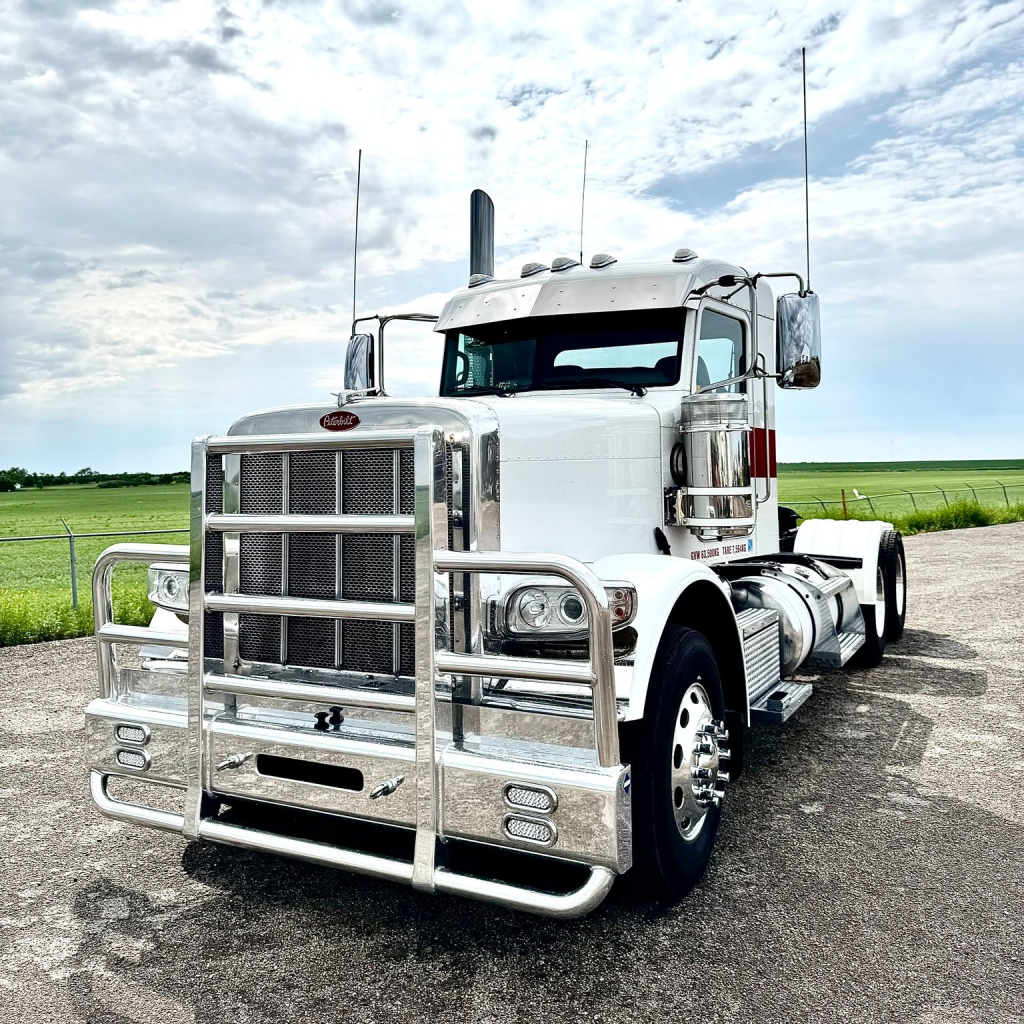
Your truck’s specifications affect which protection equipment works and how it performs. Different truck models have different mounting requirements, weight considerations, and compatibility factors.
Truck Make and Model: HERD protection equipment works with major semi truck manufacturers, including Freightliner, International, Kenworth, Mack, Peterbilt, Volvo, and Western Star. Each manufacturer has specific mounting configurations, frame specifications, and front-end layouts that affect guard fitment.
When evaluating protection options, verify compatibility with your specific truck model. Dealers access fitment data showing which guards work with which truck configurations. Don’t assume a guard that fits one Freightliner model automatically fits all Freightliners; year, model, and equipment packages all affect compatibility.
Collision Avoidance Systems: Modern semi trucks often include forward-facing radar for collision avoidance, adaptive cruise control, and other safety features. Your protection equipment needs to work with these systems, not interfere with them. Guards must be positioned to allow radar signals to pass without obstruction while protecting the sensors themselves from impact damage.
Both HERD grille guards and truck guards are engineered for CAS compatibility. The bracket designs and guard positioning account for radar sensors and cameras. When ordering equipment, dealers verify compatibility with your truck’s specific sensor configuration to ensure systems continue functioning after installation.
Weight Distribution and Specifications: Front-end protection adds weight to your truck. Grille guards range from 180 to 209 pounds, depending on the model. Truck guards range from 320 to 510 pounds. While these weights are minor compared to a loaded semi truck’s total mass, they affect your weight distribution and, marginally, your fuel economy.
Consider your typical loading patterns and whether additional front-end weight creates any operational concerns. For most applications, the weight impact is negligible. However, operations running at maximum legal weights or dealing with strict weight distribution requirements might need to factor this into their calculations.
Maintenance Access Requirements: Your daily operations include pre-trip inspections, routine maintenance, and quick access to the engine compartment. Protection equipment shouldn’t complicate these necessary tasks. Modern guards include quick-release latch systems that provide engine access without removing the entire guard.
The Grip Latch on grille guards and the Slam Latch on truck guards both serve this purpose. These mechanisms allow drivers and technicians to open the guard, access the engine for inspections and maintenance, and secure it again quickly. This matters for daily operations, where time spent on inspections affects your schedule and productivity.
Grille Guard Protection Options
Grille guards mount to your truck’s tow receivers using heavy-gauge steel brackets. This mounting approach provides strong protection while allowing installation without permanent truck modifications.
Who Grille Guards Work For: Owner-operators running highway freight with standard routes benefit from grille guard protection. Fleet buyers outfitting multiple trucks for general commercial applications find grille guards provide excellent value. Operations dealing primarily with deer, wild hogs, and highway debris get appropriate protection without excessive weight or cost.
The tow receiver mounting means guards can be removed if needed, which is useful for operators who might need to transfer equipment between trucks or remove guards for specific operations. Installation is straightforward compared to frame-integrated options, and removal doesn’t require extensive disassembly.
Construction and Features: HERD manufactures grille guards from 304 stainless steel with 3″ round tubes engineered for maximum strength. Tapered box uprights reduce weight while maintaining structural integrity. Gussets welded into uprights and tubes provide extra strength at critical stress points.
The Grille Guard 300 weighs approximately 209 pounds and includes CAS compatibility, a Grip Latch system with a 5-year warranty, and heavy-gauge steel mounting brackets. The Grille Guard 200 weighs around 180 pounds with the same stainless steel construction and mounting system.
Both models include gussets for extra strength and are available in polished stainless steel, satin, and black powder coat finishes. The finishes are permanent-polished guards that stay polished, and coated finishes don’t peel or fade from weather exposure or standard truck washing.
What Grille Guards Protect: These guards defend your radiator and condenser from impact damage, protect headlights and marker lights from debris strikes, shield the grille and front-end bodywork from wildlife collisions, and cover sensors and cameras required for collision avoidance systems.
The 3″ round tube construction absorbs impact forces from wildlife encounters and highway debris. The stainless steel structure distributes collision forces through the guard and into the tow receiver mounting points. This handles most deer encounters, wild hog collisions, and typical road hazards effectively.
Maintenance and Operation: Grille guards require minimal maintenance. The stainless steel construction resists corrosion without requiring protective coatings. Standard truck washing procedures keep guards clean. The Grip Latch mechanism operates for years without adjustment-no cables to lubricate, no complicated systems to service.
After impacts, inspect the guard for bent tubes, cracked welds, or loose mounting hardware. Most collisions won’t damage a properly installed guard, but visual checks ensure everything remains secure. The structural warranty covers materials and workmanship for three years, with the Grip Latch carrying a 5-year warranty.
Truck Guard Protection Options
Truck guards integrate with your truck’s frame structure rather than mounting to tow receivers. This provides more extensive coverage and handles heavier collision forces.
Who Truck Guards Work For: Operations involving frequent rural driving, forestry or mining work, or routes through high-risk wildlife areas benefit from truck guard protection. Operators in regions with moose, elk, or large animal populations get enhanced protection that handles severe impacts. Fleets running remote routes where service facilities are hours away value the maximum protection truck guards provide.
The frame integration creates a more permanent installation. These guards typically stay with the specific truck rather than transferring between vehicles. The enhanced protection and structural stability justify this approach for operations facing demanding conditions.
Construction and Features: HERD truck guards use aluminum construction for an excellent strength-to-weight ratio and natural corrosion resistance. The exclusive Impact Plates add reinforcement at critical points. Box Posts create the structural foundation, and the Slam Latch provides quick engine access.
The Defender features a 14-inch extruded aluminum bumper and 3-inch round tubes and weighs approximately 320 pounds. The polished aluminum finish maintains pa rofessional appearance while the construction handles serious collisions.
The Texas truck guard includes an 18-inch formed aluminum bumper with enhanced radar integration. At 380 pounds, it provides increased impact protection with a larger bumper surface area. The redesigned Slam Latch requires minimal maintenance even in harsh operating conditions.
The Super Road Train represents maximum available protection. Originally designed for Australian road trains but adapted for North American trucks, this guard uses four-inch oversized horizontal tubes and a 16-inch Aero-style aluminum bumper. At 510 pounds, it’s the heaviest option, with a lower rake reinforced with balusters for additional bracing.
What Truck Guards Protect: These guards provide broader coverage than grille guards. Larger aluminum bumpers create an increased impact surface. Extended protection covers the front corners of the truck. The frame-integrated mounting distributes collision forces across more of the truck’s structural system, handling heavier impacts and more severe encounters.
The aluminum construction absorbs and distributes impact forces through the bumper and tube structure directly into the frame rails. This enhanced force distribution prevents damage from collisions that might overwhelm tow receiver-mounted systems. Operations regularly dealing with large animals or extreme conditions benefit from this structural approach.
Installation Requirements: Truck guards require professional installation by technicians experienced with frame integration. The mounting involves more extensive work than grille guard installation. Precise measurements, proper torque specifications, and structural integration demand experience and proper equipment.
Installation isn’t work for general technicians. You want professionals familiar with frame modifications and protection equipment installation. Dealers handle this through trained technicians who understand both the guards and your truck’s specifications. All truck guards carry a 3-year warranty covering materials and workmanship.
Decision Framework: Matching Protection to Operations
Here’s how to evaluate your specific situation and choose appropriate protection equipment.
Step 1: Assess Your Primary Routes: Where do you actually drive? Track your typical routes for a month. How much highway versus rural road? What regions do you operate in? Are you primarily interstate freight, or do you access remote facilities?
Highway-focused operations with standard interstate routes work well with grille guard protection. Mixed routes with significant rural driving point toward grille guards, with consideration for truck guards if wildlife encounters are frequent. Operations primarily serving remote or industrial sites benefit from truck guard protection.
Step 2: Evaluate Wildlife Exposure: What animals do your drivers report seeing? How often do close calls or actual collisions occur? Are you dealing primarily with deer and hogs, or do moose and elk appear in your operating areas?
Frequent deer encounters justify grille guard protection. Regular moose or elk exposure suggests that truck guards deserve consideration. If your drivers report multiple close calls per month, you’re operating in high-risk areas that benefit from proper protection equipment.
Step 3: Consider Operational Environment: Beyond wildlife, what other hazards exist? Are you accessing unpaved roads, forestry areas, mining sites, or construction zones? Do your routes include tight urban maneuvering or primarily open highway?
Standard commercial hauling works with grille guards. Off-highway access, industrial operations, and challenging terrain call for truck guard protection. Urban delivery with tight spaces might favor grille guards for their focused protection and simpler mounting.
Step 4: Factor in Truck Configuration: What truck model are you protecting? Does it include collision avoidance systems? Are there specific weight distribution concerns for your operations?
Verify compatibility with your truck make, model, and year. Confirm collision avoidance system compatibility if your truck includes these features. Consider whether front-end weight addition creates any operational concerns, though for most applications, this is minimal.
Step 5: Think About Fleet Requirements: Are you equipping one truck or multiple vehicles? Do trucks operate in similar conditions or varied applications? Will the protection equipment need to be transferred between trucks?
Single owner-operators can match protection precisely to their specific routes and needs. Fleet buyers might choose grille guards for most trucks, with truck guards reserved for specific high-risk applications. Operations requiring equipment transfer between trucks favor grille guard mounting systems.
Step 6: Work with Dealers for Verification: Don’t make this decision alone. Authorized HERD dealers verify compatibility before ordering, confirm your truck model works with selected guards, explain installation requirements, and handle professional installation.
Dealers understand both the protection equipment and your truck’s specifications. They can recommend appropriate options based on your described operations and verify everything fits correctly. This expertise prevents ordering mistakes and ensures proper installation.
Real-World Application Scenarios
Let’s look at specific operational scenarios and appropriate protection choices.
Scenario: New Owner-Operator Running Refrigerated Freight Routes: Primarily interstate highways connecting distribution centers in the Midwest and Southeast. Occasional rural roads provide access to food processing facilities. Wildlife exposure includes deer in rural areas and minimal large animal risk.
Recommendation: Grille guard protection. The highway-focused operation with occasional deer exposure matches grille guard capabilities well. The stainless steel construction handles climate variations from northern winters to southern humidity. The tow receiver mounting keeps installation straightforward and allows potential guard transfer if upgrading trucks.
Specific options: Grille Guard 300 for maximum strength in the grille guard category, or Grille Guard 200 for lighter weight. Both provide appropriate protection for this operation.
Scenario: Regional Fleet Serving Forestry Operations Routes: Mix of highway access and unpaved forestry roads in the Pacific Northwest. Regular encounters with overhanging branches, rocks from logging equipment, and elk crossings. Trucks access remote sites with limited service facilities nearby.
Recommendation: Truck guard protection. The forestry access, elk exposure, and remote operating conditions justify frame-integrated guards with maximum protection. The aluminum construction handles the environment, and broader coverage protects against varied hazards beyond just wildlife.
Specific option: Defender or Texas truck guard, depending on desired coverage area. Super Road Train if operations involve particularly challenging access routes or very frequent large animal encounters.
Scenario: Flatbed Fleet Hauling Construction Materials Routes: Urban and suburban delivery to construction sites. Highway miles between sites, but significant time in congested areas and navigating construction zones. Minimal wildlife exposure, primarily dealing with traffic debris and tight maneuvering.
Recommendation: Grille guard protection. The focused protection defends critical components without excessive weight. The tow receiver mounting doesn’t complicate tight maneuvering. Quick engine access via Grip Latch helps with frequent pre-trip inspections.
Specific option: Grille Guard 200 provides appropriate protection at a lower weight. The focused coverage handles traffic hazards without over-protecting for wildlife risks, which this operation doesn’t regularly face.
Scenario: Owner-Operator Hauling Agricultural Products Routes: Rural highways connecting farms, grain elevators, and processing facilities across the Great Plains. Regular dirt road access to farm facilities. Consistent deer exposure and occasional encounters with cattle or agricultural equipment create hazards.
Recommendation: Grille guard protection with consideration for upgrading to a truck guard if deer encounters become frequent or facility access routes are particularly rough. Start with the grille guard and monitor actual hazard exposure over the first season.
Specific option: Grille Guard 300 initially. The stainless steel construction handles an agricultural environment. The protection covers typical deer encounters. If experience shows this is insufficient, upgrade to Defender truck guard for enhanced coverage.
Scenario: Long-Haul Fleet Running Northern Routes: Interstate corridors through northern states and Canada. High moose population exposure and winter driving conditions create additional hazards, and extremely remote sections mean extended downtime.
Recommendation: Truck guard protection. The moose exposure alone justifies truck guards, and the remote operating environment makes maximum protection essential. The frame integration provides structural stability for severe impacts, and the aluminum construction handles winter chemical exposure.
Specific option: Texas or Super Road Train truck guard. The larger bumper surface and heavier construction handle moose collisions effectively. Super Road Train for particularly remote routes, where maximum protection provides peace of mind against all potential hazards.
Installation and Professional Support
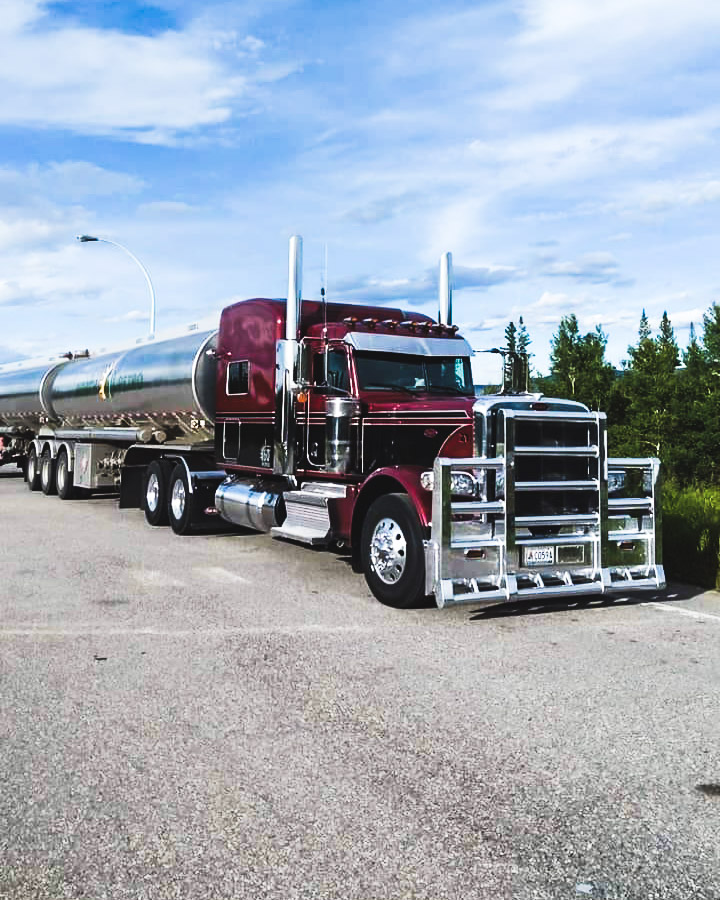
Proper installation matters regardless of which protection equipment you choose. Professional installation ensures correct mounting, proper alignment, and system compatibility.
Grille Guard Installation: Installation involves mounting heavy-gauge steel brackets into your truck’s tow receivers, positioning the guard for proper clearances, and verifying collision avoidance system function. The process is straightforward but requires attention to detail and proper equipment.
Technicians familiar with both HERD products and your truck model ensure everything fits correctly. They verify mounting hardware is properly torqued, check clearances around the guard, and confirm radar and camera systems function properly with the guard installed.
Truck Guard Installation: Installation involves more extensive work. Mounting to frame rails requires precise measurements and proper torque specifications. The integration with your truck’s structure demands experience and proper equipment.
This isn’t work for general technicians. Professional installation through authorized dealers ensures your protection equipment mounts correctly and functions as engineered. Technicians experienced with frame modifications and protection equipment handle the installation properly.
Post-Installation Verification: Both grille guards and truck guards require verification after installation. Check collision avoidance systems to confirm radar and camera function. Test latch mechanisms to ensure they operate smoothly. Verify all mounting hardware is properly torqued and secured. Review clearances to confirm nothing interferes with normal truck operation.
Dealers handle this verification as part of the installation process. They document everything for warranty purposes and ensure you understand how to operate the latch systems for engine access.
Warranty Support: Grille guards come with a 3-year warranty on the guard structure plus a 5-year warranty on the Grip Latch mechanism. Truck guards carry a 3-year warranty covering materials and workmanship. Warranty service is handled through the dealer network.
If issues arise, your dealer manages the warranty process. You’re not dealing with distant manufacturers or complicated claim procedures. Local service through established dealer relationships provides faster resolution and less disruption to your operations.
Making Your Final Decision
Understanding how to choose semi truck bumper protection comes down to an honest assessment of your actual needs versus what sounds good or what other operators recommend without context.
Start by documenting your real operational conditions. Track your routes, note wildlife encounters, and identify specific hazards you face. This data-driven approach prevents overprotecting or underprotecting based on assumptions.
Work with authorized HERD dealers who understand both the protection options and your truck’s specifications. Dealers verify compatibility, explain differences between options in your specific context, and handle professional installation. Their expertise prevents ordering mistakes and ensures proper setup.
Consider your operational timeline. If you’re a new owner-operator starting out, you might begin with appropriate grille guard protection and upgrade to truck guards if experience shows this is necessary. Established fleets can evaluate their actual incident history and choose protection that matches documented hazards.
Budget matters, but frame the decision correctly. Initial purchase price is one factor. Balance this against potential collision damage and downtime costs. Protection equipment that prevents even one serious collision pays for itself. Multiple prevented incidents over a truck’s service life represent significant savings beyond the initial investment.
Don’t let terminology confusion or regional preferences drive your decision. Focus on the structural differences-tow receiver-mounted grille guards versus frame-integrated truck guards. Match the mounting system and coverage area to your actual hazards and operational requirements.
Get the Right Protection for Your Operation
Choosing front-end protection doesn’t need to be complicated. Understand your routes and hazards, verify compatibility with your truck, match protection equipment to actual operational needs, and work with dealers for professional installation.
Whether you need focused grille guard protection for highway operations or extensive truck guard coverage for demanding conditions, the right equipment protects your investment and keeps you operating instead of dealing with collision damage and downtime.
Ready to choose the right protection? Contact HERD to connect with authorized dealers who can verify compatibility with your specific truck, discuss your operational conditions and recommend appropriate protection options, and schedule professional installation. Get equipment that actually matches your needs instead of guessing what might work.
Frequently Asked Questions
How do I know if I need a grille guard or truck guard?
The decision depends on your routes and hazards. Grille guards work well for highway operations with standard freight routes, occasional deer encounters, and typical road hazards. Truck guards make sense for operations involving frequent rural driving through high-wildlife areas, forestry or mining site access, routes with regular moose or elk exposure, or remote locations where maximum protection matters. Track your actual routes and wildlife encounters for a month. If you’re primarily interstate with occasional deer, grille guards provide appropriate protection. If you’re regularly accessing remote sites or dealing with large animals, truck guards justify the additional investment.
Can I install front-end protection myself, or do I need professional installation?
Both grille guards and truck guards require professional installation through authorized dealers. Grille guards mount to tow receivers, but proper installation still requires positioning for correct clearances, verification that collision avoidance systems function properly, and proper torque on all mounting hardware. Truck guards involve frame integration that demands experienced technicians with proper equipment and knowledge of frame modifications. Incorrect installation reduces protection effectiveness and can damage truck components or interfere with safety systems. The installation cost is minor compared to potential problems from improper mounting, and dealer installation includes warranty documentation and verification.
How much weight does front-end protection add to my truck?
Grille guards range from 180 to 209 pounds, depending on the model. Truck guards range from 320 to 510 pounds, depending on which option you choose. These weights are minor compared to a loaded semi truck’s total mass and typically have minimal impact on fuel economy or performance. For most operations, the weight addition is negligible and doesn’t create operational concerns. If you operate at maximum legal weights or have strict weight distribution requirements, discuss this with your dealer during equipment selection. They can help determine if the front-end weight addition affects your specific operation.
Will front-end protection interfere with my truck’s collision avoidance system?
HERD grille guards and truck guards are engineered for CAS compatibility. The designs account for forward-facing radar and cameras required by modern safety equipment. Bracket designs and guard positioning allow radar signals to pass without obstruction while protecting sensors from impact damage. When ordering through dealers, they verify compatibility with your specific truck model and equipment package. Proper installation includes verification that radar and camera systems continue functioning correctly. This compatibility applies to both grille guards and truck guards, so your choice between these options doesn’t affect the collision avoidance system function.
Can I transfer front-end protection equipment between trucks?
Grille guards use a tow receiver mounting that allows removal and potential transfer to another truck, assuming the new truck has compatible tow receivers and a similar configuration. This makes grille guards more flexible for operators who might upgrade trucks or need to move equipment between vehicles. Truck guards integrate with the frame structure, creating a more permanent installation. While it is technically possible to remove and reinstall truck guards, the process is more involved, and typically these guards stay with the specific truck. If you anticipate needing to transfer protection equipment between trucks, discuss this requirement with dealers when selecting equipment. Grille guards offer more flexibility for this scenario.