
Peterbilt 579 moose bumper installation requires careful preparation and systematic procedures for proper fitment. This guide provides installation considerations, preparation steps, and verification methods for Peterbilt 579 operators and maintenance professionals.
HERD manufactures protection equipment for commercial trucks, including Peterbilt models. Proper installation ensures equipment mounts securely and functions as designed.
Pre-Installation Preparation
Position the Peterbilt 579 in a level workspace with adequate lighting and room to work. Ensure the truck is secured with parking brakes engaged and wheels chocked. Clear the work area and organize tools within easy reach.
Verify you received all components before beginning installation. Check parts against packing lists and inspect for shipping damage. Review equipment documentation including any installation guides provided.
Examine the 579 front-end configuration and note any aftermarket modifications that might affect installation. Document the truck’s specific configuration for reference.
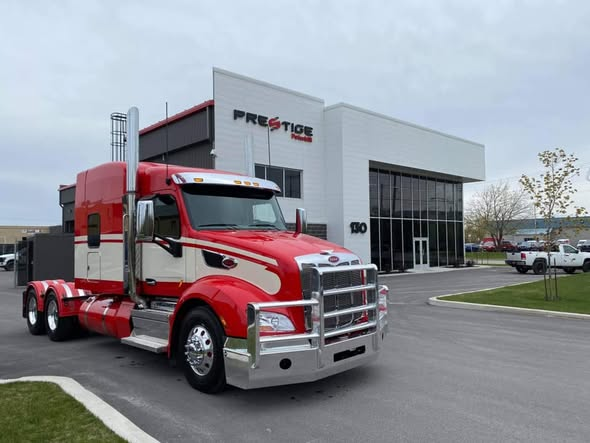
Understanding Peterbilt 579 Characteristics
The Peterbilt 579 features aerodynamic front-end styling with integrated components. Protection equipment mounts to specific points requiring identification before installation. The 579 requires adequate clearances around hood edges and operational components. Plan installation sequences considering access to mounting points.
Installation Safety Requirements
Wear appropriate safety equipment including eye protection, work gloves, and steel-toed boots. Ensure the 579 remains stable throughout installation and never work under unsupported components. Use tools properly and maintain awareness of pinch points. Establish clear communication protocols if working with multiple people.
General Installation Procedures
Step 1: Positioning and Alignment Present equipment to mounting locations and verify positioning before securing. Check alignment at multiple points and verify equipment sits level.
Step 2: Initial Mounting Begin securing equipment using appropriate fasteners. Start fasteners at all mounting points before fully tightening any single point.
Step 3: Torque Verification Use appropriate torque specifications for mounting fasteners. Verify torque at all fastening points for secure mounting.
Step 4: Clearance Verification Check clearances around all equipment edges. Open and close the hood through its full range of motion while checking for interference.
Step 5: Final Inspection Conduct thorough inspection of completed installation. Verify all fasteners are properly secured and equipment positions correctly.
Common Installation Challenges
Equipment alignment can be challenging. Take time to verify positioning before tightening fasteners. Some mounting points may be difficult to reach, requiring extension tools or alternate angles. Tight clearances require careful verification through full range of motion. Inspect threads carefully before installation and clean mounting surfaces to ensure proper fastening.
Peterbilt 579-Specific Considerations
The 579’s aerodynamic design includes specific front-end contours requiring compatible protection equipment. Modern 579 models include integrated collision avoidance and camera systems requiring clearance verification. The 579 hood design requires specific clearance checks to ensure full opening and closing. Verify protection equipment doesn’t restrict cooling system access for maintenance.
Post-Installation Verification
Verify all mounting hardware is properly installed and torqued. Test mounting security by applying moderate pressure to equipment at multiple points. Test all truck functions including hood operation, lights, cameras, and sensors. Document clearances around equipment edges and conduct final visual inspection of installation quality.
Professional Installation Best Practices
Work with qualified personnel experienced in commercial truck equipment installation. Use appropriate tools and follow systematic installation sequences. Document installation details for future reference. Verify quality at multiple points during installation rather than waiting until the end.
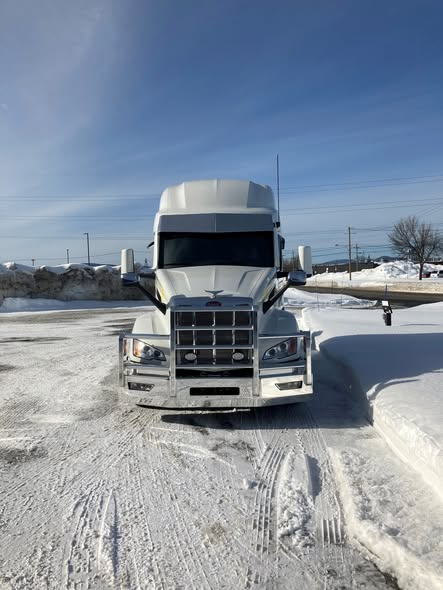
Maintenance After Installation
Monitor the installation during the first few weeks and check mounting hardware periodically. Include protection equipment in regular vehicle inspections checking mounting security and clearances. Clean protection equipment during regular vehicle washing.
Working With Installation Professionals
Look for installers experienced with commercial truck equipment and Peterbilt installations specifically. Coordinate installation timing with vehicle maintenance schedules to minimize downtime. Verify work quality before accepting the vehicle by checking mounting security, clearances, and operational functions.
Ensure Quality Installation
Proper installation procedures ensure protection equipment performs as designed on your Peterbilt 579. Thorough preparation, systematic installation, and verification produce reliable results.
Understanding proper procedures helps ensure quality outcomes whether performing installation yourself or working with professionals.
For protection equipment options and installation assistance, contact HERD to discuss your Peterbilt 579 requirements.
Frequently Asked Questions
Can I install moose bumper equipment on my Peterbilt 579 myself?
Installation complexity depends on your mechanical experience and available tools. Operators with commercial truck maintenance experience and appropriate tools can perform installations following systematic procedures. However, professional installation ensures proper torque specifications, correct alignment, and quality verification. Consider your experience level, available tools, and time constraints when deciding. Professional installers work efficiently and understand model-specific considerations for the 579. They verify proper fitment and function before releasing vehicles to service. If you’re uncertain about any installation aspect, professional installation provides peace of mind and ensures quality results.
How long does Peterbilt 579 moose bumper installation typically take?
Installation time varies based on equipment type, truck configuration, and installer experience. Professional installers working on standard 579 configurations typically complete installations in several hours. Complex installations or trucks with modifications may require additional time. Allow adequate time rather than rushing installation work. Quality installation requires careful alignment, proper torque application, and thorough verification. Discuss expected timeline with installation providers before beginning work.
What tools are needed for Peterbilt 579 moose bumper installation?
Basic installation requires standard mechanic’s tools including socket sets, wrenches, and torque wrenches. Specific tool requirements vary by equipment type and mounting approach. Torque wrenches ensure proper fastener tightening to specification. Extension tools may help access certain mounting points. Jack stands or vehicle lifts provide safe working access to mounting areas. Photography equipment documents installation steps and final configuration. Safety equipment including eye protection and work gloves is essential. Professional installers have specialized tools for efficient commercial truck work. If you lack necessary tools, professional installation may be more practical than purchasing specialized equipment for single installations.
How do I verify installation quality on my Peterbilt 579?
Verify mounting hardware is properly torqued at all fastening points. Check that equipment mounts solidly without movement or looseness. Test hood operation through full range of motion verifying no interference occurs. Confirm adequate clearances exist around equipment edges to hood, fenders, and operational components. Verify lights, cameras, and sensors function properly after installation. Check equipment alignment visually from multiple angles ensuring symmetrical positioning. Test drive the vehicle and monitor for any unusual sounds or vibrations. During break-in period, inspect mounting hardware periodically to verify nothing has loosened. Document any concerns and address them before regular operation.
What should I do if I encounter installation problems with my Peterbilt 579?
Stop installation work and assess the specific issue before proceeding. Common problems include alignment difficulties, access constraints, or clearance concerns. For alignment issues, loosen all fasteners and reposition equipment carefully before retightening. Access constraints may require different approach angles or extension tools. Clearance problems need verification and potential adjustment before completing installation. If hardware threads are damaged, obtain replacement fasteners rather than forcing installation. Document problems encountered and solutions implemented for future reference. For issues beyond your experience level, consult professional installers. Never compromise installation quality trying to force fitment or skip verification steps.