
Fleet managers evaluating steel vs aluminum truck guard options need objective analysis of material characteristics affecting equipment performance and costs. Understanding material differences helps you make informed decisions aligned with fleet priorities.
HERD manufactures protection equipment for commercial trucks. This comparison provides an analytical framework for evaluating material characteristics in truck protection equipment.
Material Characteristics Overview
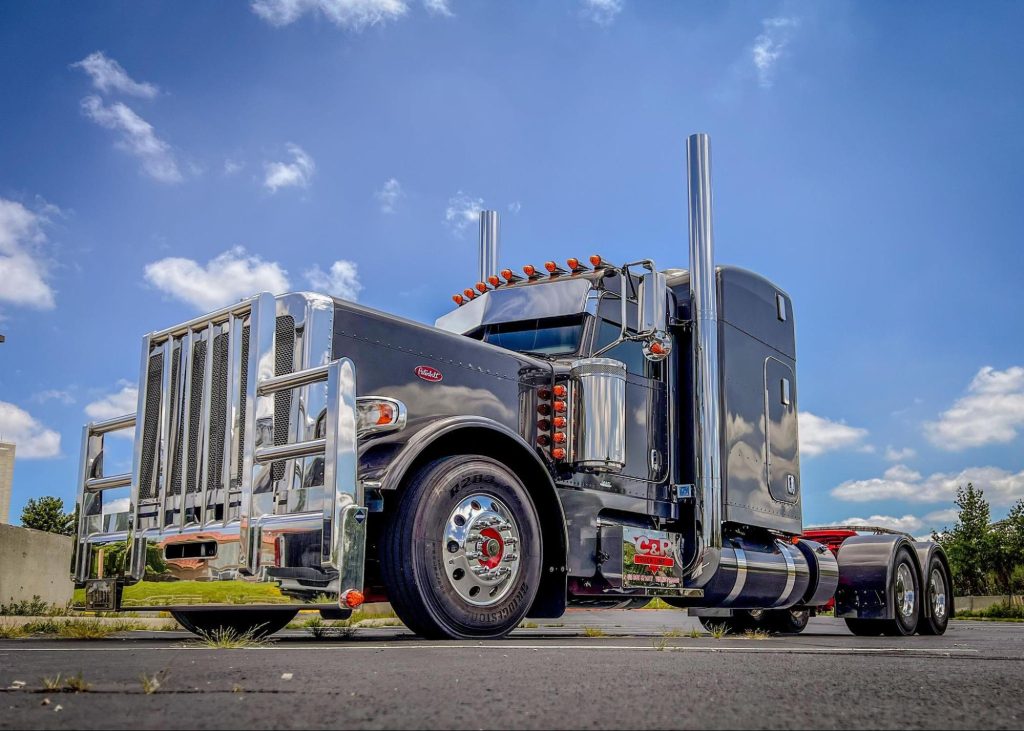
Steel offers high tensile strength and impact resistance with substantial mass for impact absorption. Aluminum delivers lower density while maintaining useful strength characteristics and provides corrosion resistance without protective coatings.
Weight Considerations
Weight represents a primary differentiator between materials. Aluminum’s lower density produces lighter protection equipment, preserving payload capacity and reducing fuel consumption. Weight-conscious operations prioritize aluminum for payload maximization.
Steel equipment carries greater weight, reducing available payload capacity. The weight difference matters most to fleets operating near maximum gross vehicle weight limits.
Durability Analysis
Steel offers excellent impact resistance and damage tolerance, withstanding repeated impacts without structural compromise. The material maintains structural integrity after severe impacts.
Aluminum protection equipment provides reliable service through proper engineering using modern alloys suitable for protection applications. Aluminum resists corrosion without protective coatings, reducing maintenance requirements. Both materials provide long service life when properly maintained.
Operational Cost Implications
Lighter aluminum equipment potentially reduces fuel consumption through decreased vehicle weight. Actual savings depend on vehicle utilization, mileage, and operating conditions.
Steel equipment may require finish maintenance depending on coating type and environmental exposure. Aluminum’s corrosion resistance reduces ongoing finish maintenance needs. Steel repairs use welding techniques familiar to most facilities, while aluminum repair requires specialized techniques less universally available.
Design and Engineering Considerations
Engineers design protection systems accounting for material characteristics. Both materials achieve effective protection through appropriate engineering. Design quality matters more than material selection for performance outcomes.
Application-Specific Considerations
High-mileage operations benefit most from aluminum’s weight advantages. Operations with frequent severe impacts may prefer steel’s impact absorption characteristics. Fleets in coastal areas or regions using road salt benefit from aluminum’s corrosion resistance. Payload-critical operations prioritize aluminum’s weight savings.
Cost-Benefit Analysis Framework
Compare equipment costs between material options. Estimate fuel cost differences based on weight savings and annual mileage. Quantify payload capacity differences and calculate revenue implications if operating near weight limits. Evaluate the total cost of ownership across the expected equipment lifespan.
Material Selection Decision Factors
Identify your fleet’s primary operational priorities. Weight-conscious operations prioritize aluminum, while durability-focused operations may prefer steel. Consider typical routes and operating conditions. Existing fleet equipment standards influence material selection. Evaluate material options within budget parameters considering both acquisition and operating costs.
Balanced Material Perspective
Neither material represents a universally superior choice for all applications. Each offers advantages suited to specific operational requirements and fleet priorities.
Steel Advantages:
- High impact resistance and damage tolerance
- Familiar repair techniques widely available
- Proven durability in demanding applications
- Substantial construction suitable for severe impacts
Aluminum Advantages:
- Lighter weight preserving payload capacity
- Natural corrosion resistance reduces maintenance
- Fuel economy benefits from weight reduction
- Modern alloys provide suitable strength for protection applications
Decision Framework: Evaluate materials based on your specific operational requirements rather than general material superiority claims. Weight-conscious fleets benefit from aluminum characteristics. Operations prioritizing impact resistance consider steel advantages.
Making Informed Material Decisions
Material selection requires analyzing multiple factors specific to your fleet operation. Consider weight implications, durability requirements, operational costs, and application demands.
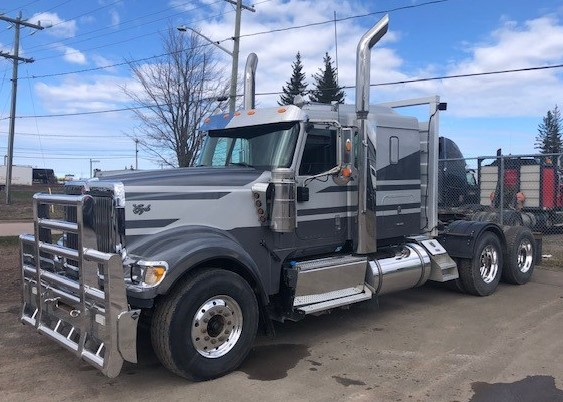
Grille guards and truck guards serve different protection needs. Evaluate equipment based on total performance requirements for your specific application.
For guidance on protection equipment for your fleet needs, contact HERD to discuss operational requirements and available options.
Frequently Asked Questions
Which material is better for fuel economy – steel or aluminum truck guards?
Aluminum truck guards offer weight advantages benefiting fuel economy. The lighter material reduces overall vehicle weight affecting fuel consumption proportionally. Actual fuel savings depend on total vehicle weight, annual mileage, and operating conditions. For high-mileage operations running hundreds of thousands of miles annually, aluminum’s weight savings compound into measurable fuel cost differences. However, protection equipment weight represents a small percentage of total loaded vehicle weight. The fuel economy difference, while real, should be evaluated against other operational factors. Calculate potential savings using your fleet’s specific mileage and fuel costs to determine if aluminum’s fuel economy benefits justify any cost differences in your application.
Does steel provide better protection than aluminum for truck guards?
Both materials provide effective protection through proper engineering and design. Steel offers high impact resistance and damage tolerance from its density and strength characteristics. Aluminum protection equipment delivers reliable performance using modern alloys and appropriate structural design. Protection effectiveness depends more on design quality and engineering than material selection alone. Steel’s greater density provides natural impact absorption advantages. However, properly designed aluminum equipment performs effectively in protection applications. Consider your specific operational hazards and impact frequency when evaluating materials. Operations with severe impact exposure may prefer steel’s characteristics while weight-conscious fleets find aluminum delivers adequate protection with weight benefits.
How does material affect truck guard maintenance requirements?
Steel protection equipment may require finish maintenance depending on coating type and operating environment. Painted or powder-coated steel needs periodic inspection and touch-up to maintain corrosion protection. Aluminum’s natural corrosion resistance reduces ongoing finish maintenance needs. However, damage repair approaches differ between materials. Steel repairs use welding techniques familiar to most maintenance facilities. Aluminum repair requires specialized welding techniques and equipment less universally available. Consider your maintenance capabilities and environmental conditions when evaluating material maintenance implications. Fleets in corrosive environments benefit from aluminum’s reduced finish maintenance while operations with extensive steel repair capabilities may prefer steel’s familiar repair techniques.
What is the weight difference between steel and aluminum truck guards?
Weight differences vary by specific equipment design and construction. Aluminum protection equipment typically weighs significantly less than equivalent steel designs due to aluminum’s lower density. The actual weight difference depends on equipment type, size, and engineering approach. This weight difference affects payload capacity and fuel consumption. Weight-conscious operations near maximum gross vehicle weight limits benefit most from aluminum’s lighter construction. Calculate weight impact using your specific vehicle configurations and typical load weights to determine if aluminum’s weight advantage provides meaningful operational benefit. For exact weight specifications, consult equipment manufacturers about specific models you’re evaluating for your fleet.
Can I mix steel and aluminum truck guards across my fleet?
Fleets can use different materials across vehicles based on specific operational requirements. However, material standardization simplifies maintenance and parts management. Mixed material fleets require broader maintenance capabilities including both steel and aluminum repair techniques. Consider whether your maintenance facilities can effectively service both materials. Some fleets standardize materials for operational simplicity while others match materials to specific vehicle applications. High-mileage vehicles might use aluminum for weight benefits while vehicles in severe impact environments use steel. Evaluate whether application-specific material selection provides sufficient benefit to justify maintenance complexity of mixed materials. Many fleets prefer material standardization for operational efficiency.