
Fleet managers evaluating grille guard fuel efficiency semi truck impact need a practical analysis of how protection equipment affects fuel consumption. Understanding the relationship between grille guards and MPG helps you make informed decisions, balancing protection needs with operational efficiency.
HERD manufactures grille guards for commercial trucks. This guide examines factors affecting fuel efficiency when adding protection equipment to your fleet.
The common concern about grille guards significantly harming fuel economy deserves careful examination based on real-world factors rather than assumptions.
Understanding Fuel Efficiency Factors
Semi truck fuel efficiency depends on multiple variables. Understanding these factors provides context for evaluating grille guard impact.
Vehicle weight represents a major fuel efficiency factor. Aerodynamic drag increases fuel consumption at highway speeds. Rolling resistance from tires affects efficiency across all speeds. Driving habits, speed, acceleration patterns, and route characteristics all influence consumption.
Grille guards represent one variable among many affecting fuel efficiency. Putting their impact in perspective helps evaluate their true cost.
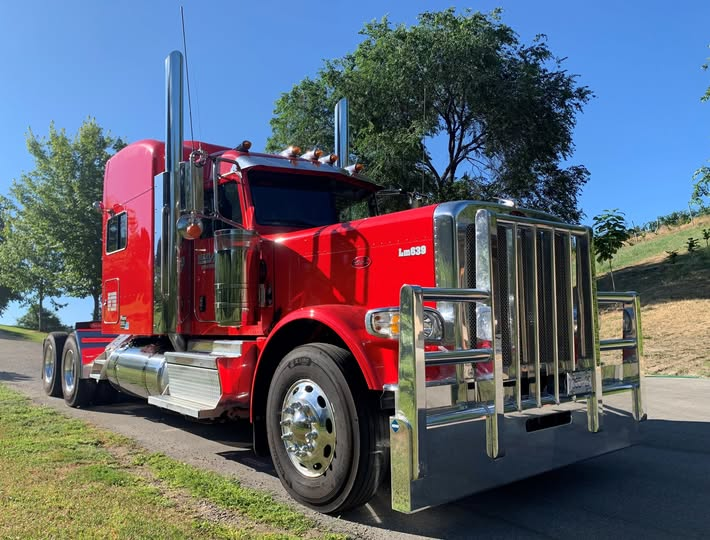
Aerodynamic Considerations
Aerodynamic drag increases exponentially with speed. Modern semi trucks feature aerodynamic designs minimizing drag. Protection equipment interacts with these aerodynamic features.
Protection equipment design affects its aerodynamic impact. Equipment positioning, profile, and structural approach all influence airflow. Different protection systems have varying aerodynamic profiles.
Weight Impact Analysis
Heavier vehicles require more energy for acceleration and hill climbing. Protection equipment weight represents a small percentage of the total loaded vehicle weight.
A loaded semi truck weighs 60,000 to 80,000 pounds. Protection equipment weighing several hundred pounds represents a fraction of one percent of total vehicle weight. This small weight increase creates a proportionally small fuel economy impact.
Weight impact matters most during acceleration and hill climbing. Highway cruising at steady speeds experiences less weight-related fuel consumption.
Real-World Impact Assessment
Isolating grille guard impact from other fuel consumption variables proves difficult. Driving conditions, loads, routes, and weather all vary, affecting fuel economy measurements.
Small fuel economy changes fall within normal variation, making precise measurement challenging. A change of 0.1 or 0.2 MPG exists within typical fuel economy fluctuation.
Other operational factors create larger fuel economy impacts than protection equipment. Driver behavior significantly affects consumption. Vehicle maintenance, including tire pressure and alignment matters, is more than modest equipment additions.
Minimizing Fuel Economy Impact
Choose protection equipment appropriate for operational needs. Consider the equipment profile and positioning. Systems mounted closer to the vehicle front ends create less aerodynamic disruption.
Proper installation ensures equipment positions correctly relative to vehicle aerodynamics. Regular inspection maintains equipment positioning, preventing additional drag from misalignment.
Cost-Benefit Analysis
Calculate potential fuel economy impact in dollar terms. Even assuming a 0.2 MPG reduction, the annual fuel cost increase remains modest for typical operations.
Compare fuel cost increase against protection equipment benefits. Damage prevention, downtime reduction, and equipment preservation deliver cost savings potentially exceeding modest fuel cost increases.
Protection equipment prevents damage requiring repairs. Repair costs, parts replacement, and vehicle downtime represent significant expenses. One prevented incident may offset years of modest fuel cost increases.
Operational Priorities
Fleet managers balance multiple priorities when making equipment decisions.
Evaluate actual hazard exposure in your operations. Routes through areas with significant wildlife populations require protection consideration. Protection equipment provides insurance against damage and downtime.
Fuel efficiency goals matter for fleet operations. However, efficiency goals exist alongside other operational priorities. Consider whether the modest potential fuel economy impact justifies accepting increased damage risk.
Addressing Common Concerns
Myth: Grille Guards Kill MPG The belief that grille guards dramatically harm fuel economy overstates their actual impact. Protection equipment adds weight and potentially affects aerodynamics, but the magnitude remains modest in the context of total vehicle operation.
Reality: Modest Impact Any equipment addition affects vehicle performance to some degree. Protection equipment’s impact on fuel economy exists but remains small relative to other operational factors.
Reassurance Through Data: Fleet managers can make protection equipment decisions based on realistic fuel economy expectations. The impact typically remains small relative to other operational variables affecting consumption.
Making Informed Decisions
Protection equipment decisions should consider multiple factors rather than focusing solely on fuel efficiency concerns.
Evaluate your fleet’s specific operational characteristics, hazard exposure, damage history, and efficiency priorities. Protection equipment provides value through damage prevention and operational reliability.
Fuel efficiency impact, while real, typically remains modest compared to other operational variables. Driver behavior, vehicle maintenance, and operational practices affect fuel economy more significantly than protection equipment.
For guidance on protection equipment suited to your operational requirements, contact HERD to discuss your fleet needs and available truck guard options.
Frequently Asked Questions
How much does a grille guard reduce semi truck fuel efficiency?
Fuel efficiency impact from grille guards typically remains modest in real-world operations. Protection equipment weight represents a small percentage of total loaded vehicle weight, creating a proportionally small fuel impact. Aerodynamic effects vary by equipment design and positioning. Most operations find fuel economy changes fall within normal variation, making precise measurement challenging. Other factors, including driver behavior, speed, and vehicle maintenance, affect fuel economy more significantly than protection equipment. Calculate potential impact using your specific mileage and fuel costs to determine the actual operational effect for your fleet.
Do modern grille guards have better aerodynamics than older designs?
Protection equipment design has evolved, considering aerodynamic factors alongside protection performance. Modern engineering approaches account for airflow patterns around commercial vehicles. Equipment positioning and profile affect aerodynamic impact. However, the primary design priority remains protection effectiveness. Evaluate specific equipment based on your operational priorities. High-mileage operations prioritize aerodynamic efficiency, while operations with significant hazard exposure focus on protection capability.
Should I avoid grille guards to improve fuel economy?
Protection equipment decisions should consider total operational costs rather than fuel efficiency alone. Calculate the potential fuel cost increase from a modest MPG reduction and compare against the damage prevention value. One prevented incident involving front-end damage may offset years of modest fuel cost increases. Evaluate hazard exposure in your operations. Track damage incidents and repair costs to quantify protection equipment value. Balance fuel efficiency goals against other operational priorities, including damage prevention and vehicle reliability.
Does grille guard weight significantly affect fuel consumption?
Protection equipment weight creates a modest fuel consumption impact relative to total vehicle weight. Loaded semi trucks weigh 60,000 to 80,000 pounds. Protection equipment weighing several hundred pounds represents a fraction of one percent of total weight, producing proportionally small fuel economy effects. Weight impact matters most during acceleration and hill climbing. Other operational factors, including proper tire pressure, vehicle alignment, and driver behavior, affect fuel economy more significantly than modest equipment weight additions.
How can I minimize the fuel economy impact from protection equipment?
Choose protection equipment appropriate for operational needs without excessive coverage. Consider equipment profile and positioning when selecting protection systems. Ensure proper installation of the positioning equipment correctly relative to the vehicle aerodynamics. Regular inspection maintains correct equipment alignment. Focus operational improvement efforts on factors creating larger fuel economy impact, including driver training, speed management, and vehicle maintenance. These practices deliver greater efficiency gains than equipment selection alone.