
Planning commercial fleet truck guard ordering requires more than just multiplying single-unit purchases by fleet size. Fleet managers and procurement specialists must consider factors like logistics coordination, delivery scheduling, and inventory management—elements that single-unit orders don’t require.
HERD manufactures truck guards and grille guards for commercial trucks. Understanding bulk ordering approaches helps fleet managers execute large-scale purchases efficiently while managing budgets and timelines effectively.
Large-scale equipment procurement differs from individual purchases. Proper planning and coordination ensure that you receive the necessary protection equipment when you need it, without disrupting operations or budgets.
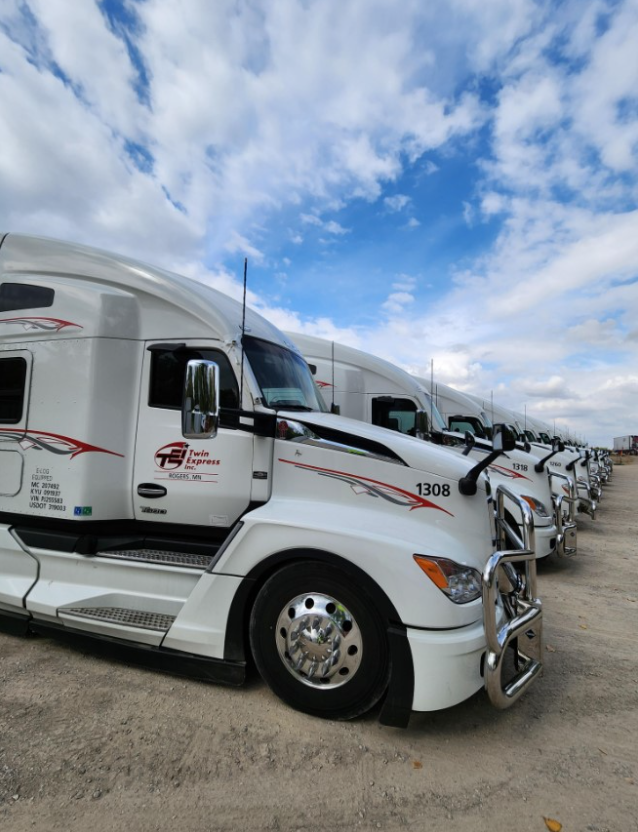
Planning Your Fleet Protection Needs
Before reaching out to suppliers for bulk orders, it’s crucial to fully understand your fleet’s protection requirements.
Assessing Your Fleet
Start by analyzing your fleet composition and protection needs. Different vehicle types, configurations, and operational roles may require varied protection equipment. Create an inventory that includes:
- Total vehicles requiring protection
- Vehicle makes, models, and configurations
- Current protection equipment status
- Operational roles and risk exposure
This inventory becomes the foundation for quantity planning. Knowing exactly what you need prevents ordering errors, ensures proper protection, and avoids excess inventory.
Identifying Requirements by Vehicle Type
Not all fleet vehicles require identical protection. Long-haul tractors through wildlife areas need different coverage than local delivery vehicles. Group vehicles by similar operational needs, which helps you order the right quantities of each protection type. You might find that 60% of your fleet needs one type, and the other 40% requires a different option.
Timeline Considerations
Think about when protection equipment needs to be installed. Immediate fleet-wide installation requires different logistics than phased deployment over months. Consider:
- Supplier coordination
- Whether you need everything at once or in stages
- Installation scheduling
- Budget cycle alignment
Be realistic about installation capacity. If your fleet is large, installations may take time, so align equipment delivery with your ability to install.
Quantity Planning Strategies
Determining exact quantities for bulk orders requires balancing current needs with future considerations.
Current Fleet Coverage
Start by calculating the quantities needed to equip your existing fleet, based on the earlier fleet assessment. This baseline requirement ensures you order enough equipment to protect all trucks in operation. Don’t double-order if some vehicles already have adequate protection unless you’re upgrading or standardizing.
Growth Projections
Consider any fleet expansion over the next 12-24 months. If you’re adding vehicles, ordering extra equipment now might make sense to avoid multiple smaller orders later. However, only plan for confirmed fleet expansions—ordering for speculative growth can tie up capital in unused inventory.
Spare Equipment Planning
Decide whether to order extra protection equipment for replacements. Spares can be useful if installed equipment is damaged, but they require additional capital investment. High-risk operations may justify spares, while lower-risk operations may prefer ordering replacements as needed.
Working with Suppliers on Bulk Orders
Effective supplier communication and coordination make bulk orders proceed smoothly.
Initial Consultation
Contact suppliers early with a detailed overview of your fleet protection needs. Include vehicle quantities, types, configurations, and timeline requirements. This helps suppliers offer precise guidance. Discuss your fleet’s composition and any unique requirements to get tailored advice.
Specification Confirmation
Confirm the exact specifications for each protection equipment type you’re ordering. With bulk orders involving multiple vehicle types, ensure all equipment is compatible. Request confirmation documentation showing specifications for each item to avoid discrepancies during delivery and installation.
Delivery Coordination
Discuss logistics for large orders:
- Whether shipments will be consolidated or delivered separately
- Delivery timelines
- Shipping methods and coordination with carriers
- Receiving requirements
Large orders often need freight coordination beyond standard shipping, so work with suppliers to ensure timely delivery to your facility.
Logistics and Delivery Management
Managing the physical delivery of bulk truck guard orders requires planning and coordination.
Receiving Preparation
Prepare your facility to receive large shipments. Bulk orders need more space and handling than single units. Ensure you have:
- Adequate staging areas for equipment
- Material handling equipment, if necessary
- Personnel available during delivery windows
- Inspection capabilities to check the shipments
Plan storage for equipment until installation. Ensure that it’s protected from damage while waiting.
Delivery Scheduling Options
You may prefer all equipment delivered at once or in stages to match your installation schedule. Single deliveries simplify receiving but require more storage space, while staged deliveries reduce storage needs but increase coordination complexity. Discuss your options with suppliers to decide what works best for your situation.
Inspection Procedures
Develop efficient inspection procedures to verify:
- Correct quantities
- Proper specifications
- Equipment condition
- Complete hardware packages
Methodically inspect every item to avoid discovering issues during installation, when corrections are more difficult.
Installation Planning and Scheduling
Converting delivered equipment into installed protection requires systematic installation management.
Resource Assessment
Evaluate your shop’s capacity for installing protection equipment. Consider:
- Available installation bays
- Technician availability and skill levels
- Competing maintenance work
Don’t assume installations will go as quickly as single installations—initial installs may take longer as technicians familiarize themselves with the process. Efficiency will improve as the team gains experience.
Scheduling Approaches
You can choose between installing during regular maintenance cycles or focusing on dedicated installation campaigns. Regular maintenance integrates protection installations with minimal downtime. Alternatively, dedicated campaigns focus all resources on completing the installs quickly, though it requires taking trucks out of service.
Tracking and Documentation
Track installation progress carefully, documenting:
- Which vehicles have completed installation
- Which are scheduled
- Which remain pending
Keeping clear records ensures you stay organized and avoid confusion as the installation process progresses.
Budget and Payment Considerations
Financial management of bulk orders requires attention to timing and payment structures.
Capital Planning
Bulk truck guard orders represent significant investments, so ensure your capital budget can accommodate the full cost. Consider:
- Using operating budgets
- Allocating capital equipment budgets
- Phasing payments across budget periods
Plan the order timing carefully to avoid complications at the end of the fiscal year. Ordering earlier in the budget cycle offers more flexibility.
Payment Timing
Clarify payment terms with your supplier. Payment timing can affect cash flow:
- Is payment due upon order placement, delivery, or installation completion?
- Can you make payments in installments for staged deliveries?
Payment timing varies by supplier and order size. Clarifying payment expectations prevents financial surprises and helps with cash flow management.
Inventory Management
Managing protection equipment inventory between receiving and installation requires organization.
Storage Organization
Organize stored equipment systematically to prevent confusion during installation. Label equipment clearly showing:
- Equipment type and specifications
- Intended vehicle applications
- Any installation sequence numbers
- Associated hardware packages
Good organization prevents installation delays caused by searching for the correct equipment or missing components. Time invested in organized storage saves significantly more time during installation.
Inventory Tracking
Maintain inventory records showing equipment status through the installation process. Track equipment from receipt through storage to installation. This visibility prevents equipment from being lost or misplaced in storage.
Update inventory records as installations complete. Accurate records show remaining equipment quantities and help identify when all bulk order equipment has been deployed.
Optimize Your Fleet Protection Procurement
Bulk truck guard ordering for commercial fleets involves strategic planning, supplier coordination, and systematic execution. Successful bulk procurement ensures your fleet receives needed protection equipment without creating operational or financial disruptions.
The key is approaching bulk orders as projects requiring planning and management rather than simply larger versions of single-unit purchases. Attention to detail in planning, coordination, and execution makes the difference between smooth bulk procurement and problematic orders.
For information about bulk truck guard orders for your commercial fleet, contact HERD to discuss your fleet requirements and large-scale procurement planning.
Frequently Asked Questions
How do I determine quantities for bulk truck guard orders?
Start with a fleet inventory showing vehicles requiring protection equipment. Categorize vehicles by type, configuration, and operational role, as needs vary. Calculate baseline quantities for current coverage. Consider confirmed fleet expansion plans and decide whether to include equipment for incoming vehicles. Evaluate whether to order spare equipment beyond immediate needs. Balance the benefits of ordering everything at once against the costs of carrying excess inventory. Focus on firm requirements to avoid tying up capital in unused equipment.
Should I order all truck guards at once or in phases?
The decision depends on installation capacity, budget cycles, and operational needs. Single large orders simplify procurement but require storage and upfront capital. Phased orders spread capital and reduce storage needs. Delivery timing can align with installation progress. Consider your facility’s ability to store large shipments and whether your shop can install equipment quickly. Discuss options with suppliers to understand each approach’s impact.
How long does a bulk truck guard delivery typically take?
Delivery timelines vary based on order size, specifications, and supplier lead times. Bulk orders may require longer lead times due to production and logistics coordination. Discuss realistic timelines with suppliers early. Timelines depend on whether the equipment is stock or custom. Freight logistics for large orders add coordination time. Plan for several weeks to months, depending on specifics. Build buffer time into your installation schedule and confirm expectations in writing.
What should I inspect when receiving bulk shipments?
Inspect quantities first to verify the correct amounts of each equipment type. Check specifications to ensure the proper types were shipped. Examine equipment for shipping or handling damage. Verify that all hardware packages and components are complete. Open random boxes for spot checks. Document findings with photographs and written records. Compare received items to packing lists and orders. Address discrepancies or damage immediately with suppliers before accepting shipments.
How do I manage truck guard installation across a large fleet?
Assess installation capacity, considering workspace, technician skills, and competing maintenance work. Decide between installing during regular maintenance cycles or conducting dedicated campaigns. Create an installation schedule showing which vehicles will be installed when. Track progress, documenting completed, scheduled, and pending installations. Allow extra time for initial installations, as technicians learn procedures. Efficiency improves with experience. Coordinate scheduling with vehicle availability to minimize disruption. Maintain clear records for each installation.