
Fleet managers and operators seeking Volvo VNL truck protection need clear information about available options and how different protection systems serve various operational needs. Understanding protection equipment characteristics helps you make informed decisions that align with your fleet’s specific requirements and operating conditions.
HERD is a renowned manufacturer of truck guards and grille guards for commercial trucks. The Volvo VNL represents a significant investment in your fleet, and protecting this equipment makes good business sense. The key is understanding which protection options suit your specific operational profile.
Different Volvo VNL configurations and operational environments create varying protection needs. Highway operations face different hazards than urban delivery routes. Understanding these distinctions helps you select appropriate protection systems that address your actual risk exposure rather than over-protecting or under-protecting your assets.
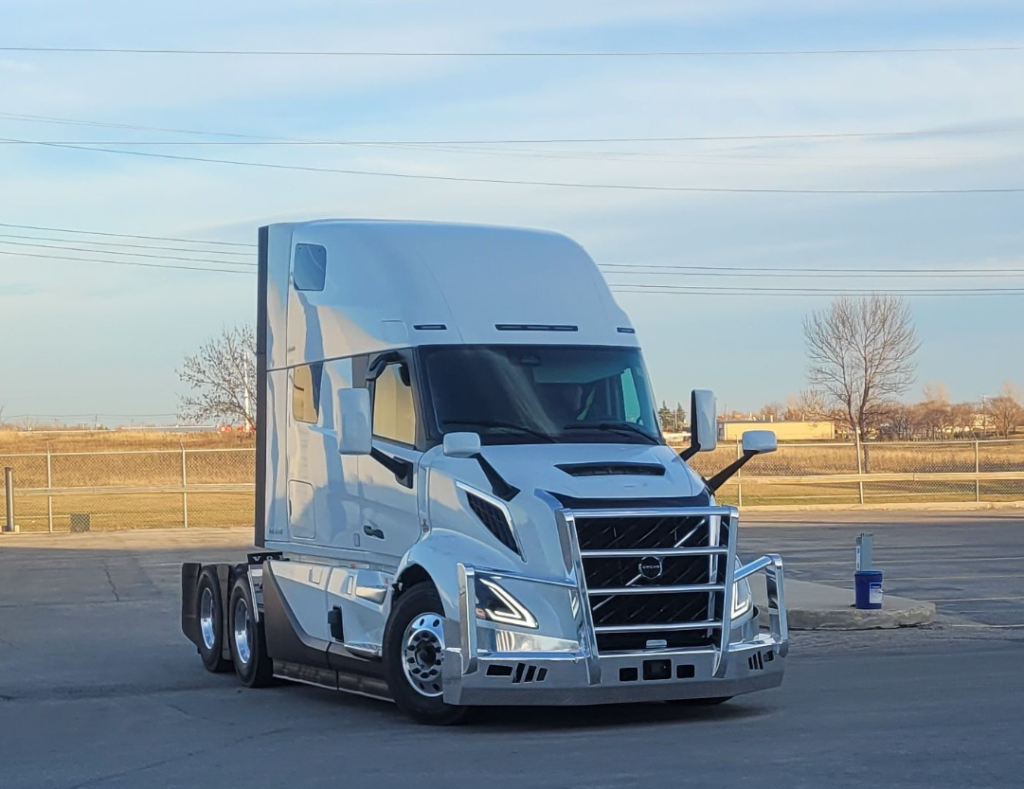
Understanding Protection Equipment Categories
Protection equipment for commercial trucks falls into several broad categories, each designed to address specific protection needs and mounting approaches.
Grille Guards
Grille guards mount to the front of trucks, providing protection for grille areas and front-end components. These systems typically focus on protecting radiators, lights, and front bodywork from impacts. The design approach emphasizes coverage of vulnerable front-end components while considering aerodynamics and vehicle appearance.
Grille guards work well for operations encountering moderate hazards where front-end protection is the primary concern. They provide focused protection without the weight and cost of more extensive systems.
Truck Guards
Truck guards offer more substantial protection with frame-integrated mounting approaches. These systems provide broader coverage extending beyond just grille areas. The heavier construction addresses more severe impact scenarios.
Truck guards suit operations with significant hazard exposure where maximum protection justifies the additional investment. Fleet managers running high-mileage routes through areas with substantial wildlife populations often choose these systems.
Application Considerations
Your choice between different protection categories depends on several operational factors:
- Routes and typical operating environments
- Hazard frequency and severity in your service areas
- Vehicle utilization and annual mileage
- Budget constraints and ROI expectations
- Fleet standardization preferences
Understanding your specific operational profile guides appropriate protection equipment selection better than general recommendations.
Volvo VNL Configuration Considerations
The Volvo VNL line includes various configurations affecting protection equipment compatibility and selection.
Model Variations
Volvo VNL trucks come in different configurations, including day cab and sleeper models with varying wheelbases. These configuration differences can affect mounting points and clearance requirements for protection systems. When evaluating protection options, consider your specific VNL configuration.
Front-end designs may vary between model years and trim levels. Understanding your exact truck configuration helps ensure compatibility when selecting protection equipment.
Integration Factors
Modern Volvo VNL trucks include sophisticated front-end systems, including collision avoidance technology, adaptive cruise control sensors, and camera systems. Protection equipment must integrate with these systems without interfering with their operation.
Clearances around sensors, cameras, and radar units require careful consideration. Protection systems need adequate spacing to avoid blocking or interfering with these operational technologies.
Aerodynamic Considerations
The Volvo VNL emphasizes aerodynamic efficiency for fuel economy. Protection equipment affects vehicle aerodynamics to varying degrees depending on design and positioning. While protection remains the primary purpose, considering aerodynamic impact helps minimize fuel economy effects.
Selection Criteria for Your Operation
Choosing appropriate protection equipment involves analyzing multiple factors specific to your fleet operation.
Risk Assessment
Start by evaluating actual hazard exposure in your operation. Document incidents involving front-end damage over recent years. Identify patterns related to:
- Specific routes with higher incident rates
- Seasonal variations in hazard exposure
- Types of damage that most commonly occur
- Cost patterns for typical repairs
This data-driven approach identifies your real protection needs rather than assumptions about what might be necessary.
Operational Profile Analysis
Consider how your Volvo VNL trucks operate:
- Annual mileage and route characteristics
- Primary operating environments (highway, urban, rural)
- Time-of-day operations (wildlife encounters often concentrate during dawn and dusk)
- Geographic regions and seasonal factors
High-mileage highway operations through rural areas face different protection needs than urban delivery fleets. Your operational profile significantly influences appropriate protection levels.
Budget and ROI Considerations
Protection equipment represents a capital investment requiring financial analysis. Compare protection equipment costs against historical front-end damage expenses. Consider:
- Annual incident costs from recent years
- Protection equipment investment levels
- Expected equipment lifespan
- Potential incident cost reductions
Calculate whether protection equipment investment makes financial sense for your specific operation. Some fleets justify protection easily, while others find limited financial rationale based on their actual damage history.
Fleet Standardization
Larger fleets benefit from standardizing protection equipment across vehicles. Standardization simplifies:
- Parts inventory and maintenance
- Installation procedures and expertise
- Damage repair processes
- Driver familiarity across vehicles
However, standardization shouldn’t force inappropriate protection levels on vehicles with different operational profiles. Consider whether targeted protection for the highest-risk vehicles makes more sense than uniform fleet-wide deployment.
Installation and Compatibility Planning
Proper installation planning ensures that the protection equipment integrates well with your Volvo VNL trucks.
Professional Installation
Protection equipment installation requires proper techniques and torque specifications. Professional installers familiar with commercial truck applications ensure quality installations. They understand:
- Proper mounting point identification
- Appropriate torque specifications
- Clearance verification procedures
- Integration with existing vehicle systems
While some fleet maintenance operations handle installations internally, professional installation provides expertise and accountability for proper fitment.
Pre-Installation Verification
Before ordering protection equipment, verify compatibility with your specific Volvo VNL configuration. Provide suppliers with:
- Complete vehicle identification, including year and model
- Current configuration and any modifications
- Front-end equipment, including cameras and sensors
- Any special requirements or constraints
This upfront verification prevents fitment issues and ensures appropriate equipment selection.
Timeline Planning
Plan installation timing around vehicle maintenance schedules when possible. This consolidates downtime and minimizes operational disruption. Account for:
- Equipment delivery lead times
- Installation scheduling and duration
- Post-installation inspection and verification
- Any adjustments or modifications needed
Building adequate time into installation planning prevents rushed work and scheduling conflicts.
Maintenance and Long-Term Considerations
Protection equipment requires ongoing attention to maintain effectiveness and appearance.
Regular Inspections
Include protection systems in routine vehicle inspection procedures. Check for:
- Mounting security and hardware tightness
- Structural integrity and any damage
- Finish condition and corrosion
- Proper clearances to vehicle components
Early identification of issues prevents minor problems from becoming major concerns.
Cleaning and Care
Clean protection equipment regularly as part of vehicle washing procedures. Inspect for damage during cleaning. Address finish issues promptly to prevent corrosion progression.
Damage Assessment
If protection equipment sustains impact damage, assess both the protection system and underlying vehicle components. Protection systems may need replacement or repair after severe impacts. Verify that protected components behind the system remained undamaged, demonstrating the protection value.
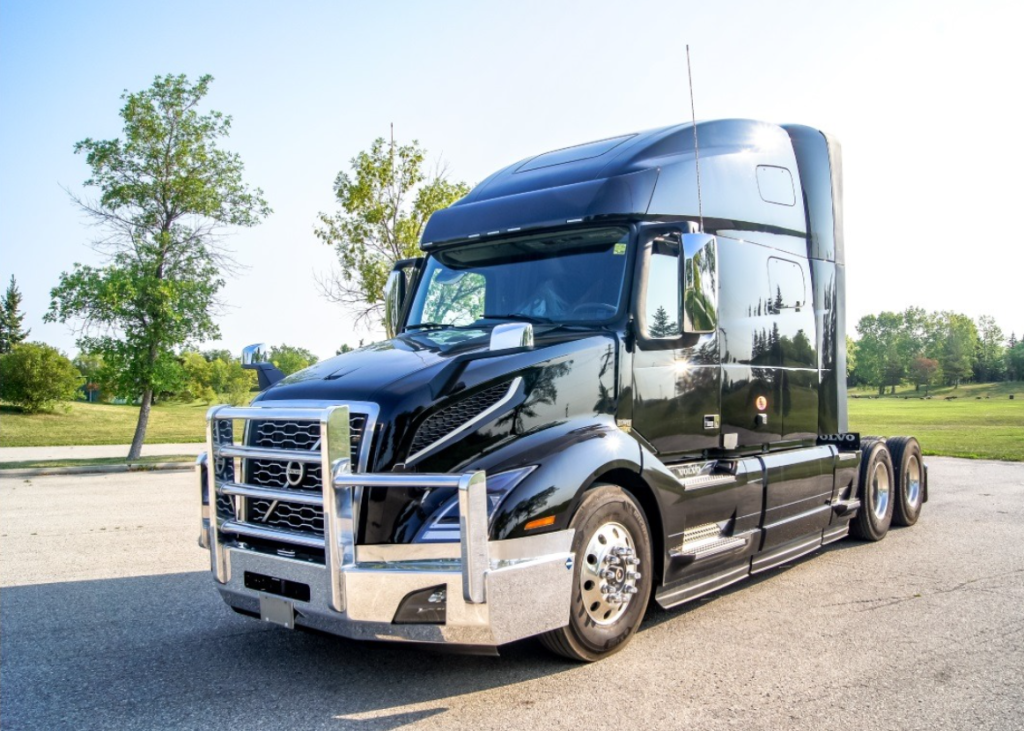
Making Your Selection Decision
Selecting protection equipment for your Volvo VNL fleet involves balancing multiple considerations.
Gathering Information
Collect complete information about your fleet operation, including incident history, operational profiles, and budget parameters. Understand your actual protection needs based on data rather than assumptions.
Consulting with Suppliers
Discuss your specific requirements with protection equipment suppliers. They can provide guidance on:
- Options appropriate for Volvo VNL applications
- Compatibility with your specific configurations
- Installation requirements and procedures
- Expected delivery and installation timelines
Quality suppliers ask questions about your operation to recommend suitable options rather than simply selling products.
Pilot Programs
Larger fleets might consider pilot programs testing protection equipment on a subset of vehicles before fleet-wide deployment. This approach:
- Demonstrates actual protection value in your operation
- Identifies any installation or operational issues
- Builds confidence before major capital commitments
- Provides real-world data for ROI calculations
Pilot programs work particularly well when fleet subsets have clearly defined operational differences, allowing targeted testing.
Protect Your Volvo VNL Investment
Your Volvo VNL trucks represent a substantial capital investment in your fleet. Protection equipment helps preserve these valuable assets against road hazards that create unexpected repair costs and operational disruptions.
The right protection approach for your fleet depends on your specific operational circumstances. Analyze your actual needs, evaluate options objectively, and select protection levels justified by your risk exposure and budget parameters.
For information about protection equipment options for Volvo VNL applications, contact HERD to discuss your fleet requirements and available solutions.
Frequently Asked Questions
What protection equipment works with Volvo VNL trucks?
Various protection options may be available for Volvo VNL applications, depending on your specific truck configuration and protection needs. Grille guards and truck guards represent common options, each offering different protection levels and mounting approaches. Compatibility depends on your exact Volvo VNL model year, configuration, and any front-end modifications. Consult with protection equipment suppliers, providing complete vehicle information to verify compatibility with your specific trucks before ordering.
How do I choose between different protection options for my Volvo VNL fleet?
Start by analyzing your actual protection needs based on incident history and operational profile. Document front-end damage frequency and costs from recent years. Consider your typical routes, operating environments, and hazard exposure. Evaluate whether high-mileage highway operations through rural areas justify more substantial protection than urban delivery operations. Balance protection benefits against costs, calculating potential ROI based on your specific damage history. Larger fleets might test protection on pilot vehicles before fleet-wide deployment.
Does protection equipment affect Volvo VNL fuel economy?
Any front-end addition affects vehicle aerodynamics and weight to some degree. The actual fuel economy impact depends on the protection system design, positioning, and your operational profile. The effect typically remains modest relative to other operational factors like driver behavior and vehicle maintenance. Calculate potential fuel impact in your operation by estimating weight addition and considering your annual mileage. Compare any fuel cost increase against protection benefits to determine overall value.
Can protection equipment integrate with Volvo VNL safety systems?
Modern Volvo VNL trucks include sophisticated safety systems like collision avoidance and adaptive cruise control using front-mounted sensors and cameras. Protection equipment must maintain adequate clearances to these systems without blocking or interfering with their operation. Discuss integration requirements with equipment suppliers, providing details about your specific Volvo VNL safety systems. Professional installers familiar with modern commercial trucks understand clearance requirements for proper integration.
How long does protection equipment last on Volvo VNL trucks?
Protection equipment lifespan depends on operational conditions, maintenance, and impact exposure. Systems in demanding operations with frequent impacts may need earlier replacement than those in lower-risk environments. Regular inspection and maintenance extend service life. Quality protection equipment serves fleets for many years through proper care. After severe impacts, assess both protection systems and underlying vehicle components, as protection equipment may need replacement while successfully preventing damage to more expensive truck components.