
Ask any maintenance manager what keeps them up at night, and radiator damage is near the top of the list. It shows up fast and costs a lot. A deer strike, road debris, or a low-speed brush collision can punch through an unprotected front end and put a truck out of service. If you manage a fleet or run your own rig, knowing how to prevent semi truck radiator damage before it happens is one of the smartest moves you can make.
The good news is that external radiator damage is largely preventable. Unlike internal mechanical failures that develop gradually, most front-end radiator damage comes from a single impact event. One solid layer of front-end protection can change the outcome entirely. HERD has been building commercial truck protection equipment since 2003, and this is exactly the problem their grille guard lineup is designed to solve.
This article breaks down why the radiator is so exposed, what hazards cause the most damage, and how the right front-end guard keeps your truck on the road instead of in the shop.
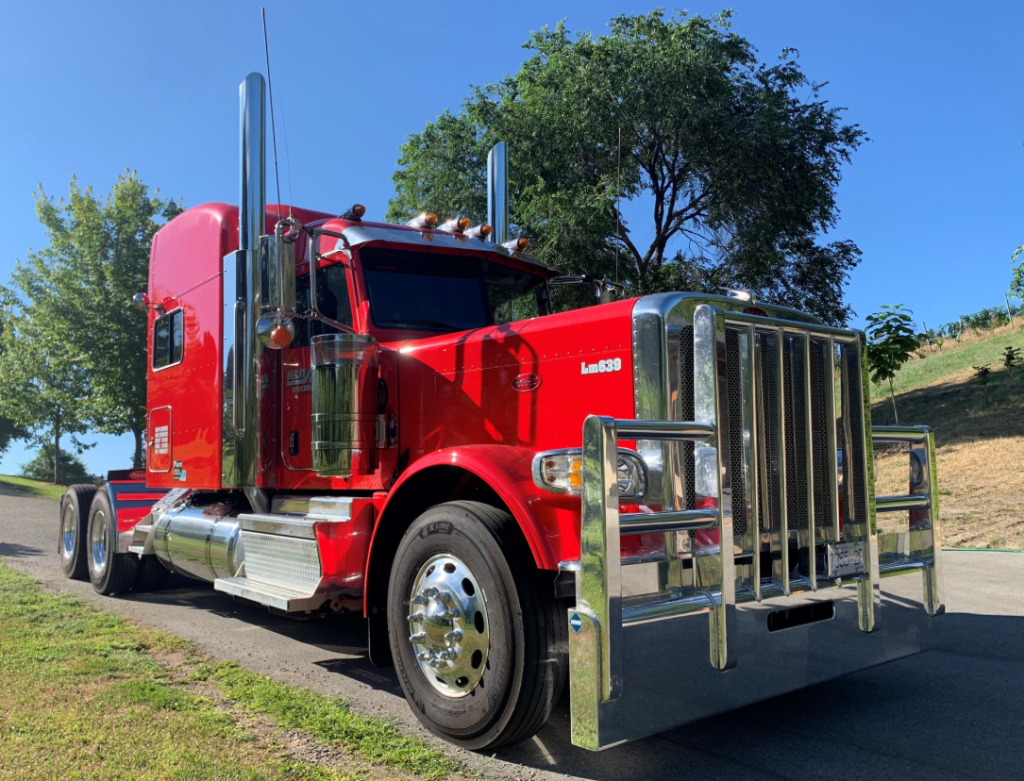
Why the Radiator Is the Most Vulnerable Component on a Semi
The radiator sits right behind the grille, which puts it in the direct path of anything the truck hits head-on. A deer, a large piece of debris, or a low-speed collision with brush or a guardrail can reach the radiator with enough force to cause serious damage.
What makes this worse for fleet managers is the downstream effect. Radiator damage doesn’t just mean a busted cooling component. It can mean:
- Immediate loss of coolant and risk of engine overheating
- Unplanned roadside breakdowns and towing
- Extended time out of service while parts are sourced and installed
- Potential damage to the surrounding front-end components
The radiator’s position at the front of the truck makes it a target. That vulnerability is structural, and the fix needs to be structural too.
The Hazards That Cause the Most Damage
Not all road hazards are equal. Some are slow-moving and predictable. Others come out of nowhere at highway speed. Understanding what actually causes radiator damage helps you appreciate why passive protection matters more than reaction time.
Wildlife Strikes
Deer, moose, and other large animals are a well-known cause of front-end damage on commercial trucks. Wildlife collisions happen fast, often in low-visibility conditions, and there’s rarely enough time to react. A full-speed strike on an unprotected front end sends the impact straight into the grille and radiator. Drivers in rural corridors, heavily wooded regions, or areas with high wildlife activity know this risk well.
Road Debris
Highways collect a surprising amount of hazardous debris – blown tire chunks, loose cargo, and objects that fall from other vehicles. At highway speed, even a mid-sized piece of debris can punch through a grille and reach the radiator. Maintenance managers running high-mileage fleets on interstate routes see this more than most.
Brush and Vegetation
Trucks operating on rural routes, logging roads, or job-site access paths often push through heavy brush. Over time, or in a single instance of dense overgrowth, branches and vegetation can work their way into the front end and damage the radiator core or surrounding components.
Low-Speed Collisions
Not every impact happens at highway speed. Yard maneuvers, dock approaches, and tight-space navigation can result in slow-speed contact with fixed objects. Even at low speed, a direct hit to an unprotected grille can reach the radiator and cause damage that takes a truck out of service.
What Front-End Protection Actually Does
A grille guard works by putting a solid barrier between road hazards and your radiator. It stands between the front of your truck and whatever the road throws at it – that’s the core function, and it’s a straightforward one.
HERD’s grille guard lineup is built around that purpose. The Gen 4 guards feature:
- 3″ round stainless steel tubing engineered for maximum strength
- Heavy gauge steel brackets that mount directly into tow receivers
- Gussets welded into the uprights and tubes for added structural integrity
- Tapered box uprights for a balance of strength and reduced weight
- CAS compatibility, so modern collision avoidance systems aren’t affected
The guard stands between your radiator and whatever the road throws at it. For fleet managers and owner-operators, that’s a meaningful layer of defense against the kind of front-end damage that pulls a truck out of service.
Choosing Between the Grille Guard 200 and Grille Guard 300
HERD offers two grille guard options in the Gen 4 lineup, and both are purpose-built for commercial truck protection. The right choice depends on your fleet’s specific needs and operating conditions.
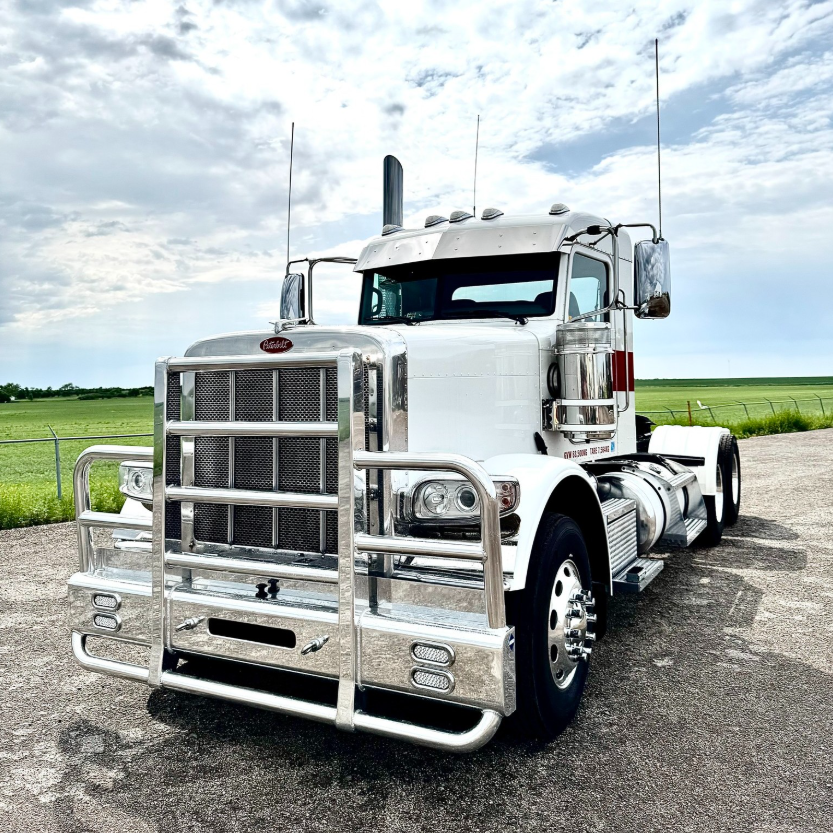
The Grille Guard 200 is designed for solid collision protection with a clean, streamlined profile – a strong fit for fleets looking for dependable front-end defense that complements the truck’s existing look. The Grille Guard 300 is built for serious front-end protection with a distinct look, ready to meet the demands of the road.
Both guards are available in three finish options – polished stainless, satin, or black powder coat – so fleet managers can match the guard to their trucks’ appearance without compromising on protection.
Why Fleet Managers Prioritize Front-End Protection
For a fleet manager, one unprotected truck is a liability. Wildlife strikes, debris impacts, and brush collisions don’t schedule themselves around your maintenance windows. They happen mid-route, resulting in an unplanned breakdown, a tow call, downtime, and the cost of getting the truck back in service.
When you put front-end protection on every unit, you’re reducing overall exposure across your entire fleet. Drivers benefit too – knowing the front end is protected means less anxiety on rural routes and wildlife-heavy corridors.
HERD’s guards are designed in direct conversation with fleet managers, reflected in practical features like the Grip Latch system. This quick-release mechanism lets technicians swing the guard open for routine front-end access without removing it entirely.
Front-End Protection That Works With Your Truck’s Systems
One concern fleet managers sometimes raise about grille guards is interference with modern truck electronics. Today’s commercial trucks often include radar-based collision avoidance systems and forward-facing cameras, and a guard that blocks those sensors creates a new problem while solving an old one.
HERD’s Gen 4 grille guards are engineered with CAS compatibility built into the design. The guard structure and bracket positioning work with forward-mounted radar systems. Post-installation verification is still a recommended step for your specific truck configuration, but CAS compatibility is built into the product from the start.
Protect Your Fleet Before the Next Impact
The most cost-effective time to install front-end protection is before a radiator takes a hit. Once the damage is done, you’re already dealing with downtime, sourcing parts, and getting the truck back into service. A grille guard installed before that event changes the outcome entirely.
Browse HERD’s full grille guard lineup to find the right fit for your truck or fleet, or reach out to HERD to connect with an authorized dealer who can confirm fitment for your specific make and model.
How to Prevent Semi Truck Radiator Damage: Frequently Asked Questions
How does a grille guard actually prevent semi truck radiator damage?
A grille guard places a solid steel barrier between the front of your truck and incoming hazards. When a deer, debris, or brush makes contact, the guard absorbs and redirects that force before it reaches the radiator. HERD’s Gen 4 guards use 3″ round stainless steel tubing, welded gussets, and heavy gauge brackets that mount into the truck’s tow receivers for a secure connection.
Are HERD grille guards compatible with collision avoidance systems on modern semi trucks?
Yes. HERD’s Gen 4 grille guards are engineered with CAS compatibility – the bracket design and guard positioning account for forward-mounted radar sensors. Fleet managers should still verify system function after installation, since sensor placement varies by make, model, and year. CAS compatibility is a built-in design consideration, not an afterthought.
Which HERD grille guard is better for fleet use – the 200 or the 300?
Both are built for commercial use. The GG-200 delivers solid front-end protection with a clean profile. The GG-300 is built for more demanding applications with additional coverage. Both share the same core construction: 3″ stainless tubing, welded gussets, heavy gauge brackets, Grip Latch system, and CAS compatibility. The right choice depends on your routes and the protection level your operation demands.
What types of trucks are HERD grille guards built for?
HERD builds grille guards for Volvo, Freightliner, International, Kenworth, Mack, Peterbilt, and Western Star. Guards are model-specific – each unit is designed for a particular truck configuration rather than a universal fit. Confirm fitment for your specific make, model, and year through an authorized HERD dealer before ordering.
Does the Grip Latch system affect the guard’s protective strength?
No. The Grip Latch is a quick-release mechanism that lets the guard swing open for front-end service access without full removal. It doesn’t affect the structural connection during normal operation. HERD backs the Grip Latch with a 5-year warranty and the guard structure with a 3-year warranty.