
Not all commercial truck guards are built the same. If you’ve spent any time comparing options, you already know that. The price points vary, the specs vary, and the marketing language tends to blur together fast. What’s harder to find is a straight answer on what actually matters when you’re making this decision.
This guide breaks down the commercial truck guard features that experienced buyers pay attention to – the ones that show up in real-world performance and long-term durability. Knowing what to look for keeps you from settling for a guard that looks solid in a photo but doesn’t hold up on the road.
The features covered here come from HERD’s Gen 4 grille guard lineup – a product line built from years of direct input from fleet managers, dealer parts staff, and drivers who know what the road demands. HERD has been in the commercial truck protection space since 2003, and that experience shows up in the details.
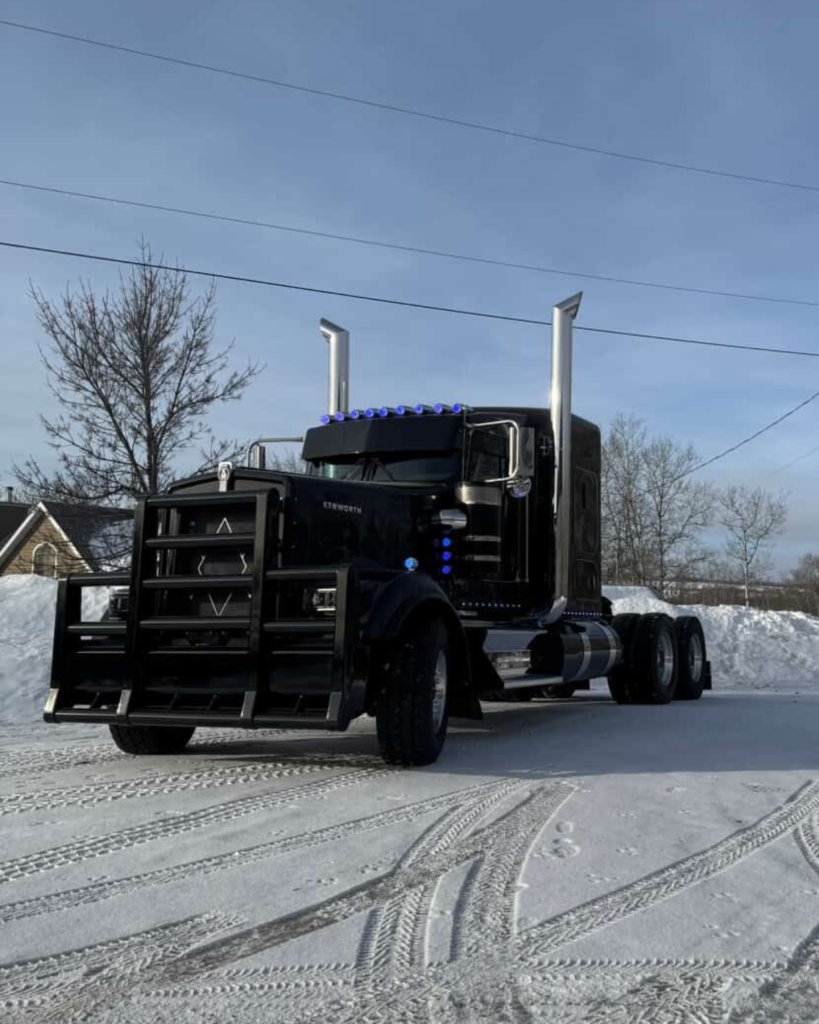
Why Feature Quality Matters More Than Price
When comparing guards at different price points, it’s easy to assume the differences are mostly cosmetic. That’s rarely true. The gap between a mid-range guard and a premium one usually shows up in three places: material quality, mechanical design, and finish durability.
A guard that fails at the mounting point, degrades in finish after one winter, or blocks access to front-end components for every service visit isn’t a bargain at any price. That’s the lens worth bringing to this comparison.
Steel Construction and Tube Specifications
The structural backbone of any truck guard starts with the steel used to build it. This is where you’ll find the clearest separation between guards built for commercial use and those that aren’t.
On HERD’s Gen 4 grille guards, the tubing is 304 stainless steel formed into 3″ round tubes engineered for maximum strength. That tube diameter and steel grade are specifications worth confirming when you’re comparing options side by side.
Here’s what to ask about tube construction when comparing options:
- What is the tube diameter? Larger diameter tubing is a meaningful spec in commercial applications.
- What grade of steel is used? 304 stainless is a commercial-grade specification worth confirming.
- How are the tubes finished? Finish quality affects the guard’s long-term appearance and how well it holds up in demanding road environments.
Mounting Bracket Engineering
The guard is only as strong as the point where it meets the truck. Mounting brackets are one of the most important structural elements in the system and one of the most overlooked when comparing options.
HERD uses AR450/Hardox-rated heavy-gauge steel brackets that mount directly into tow receivers. Load transfers into a primary structural integration point on the truck’s frame rather than into sheet metal or secondary attachment points.
What to look for in mounting brackets:
- Steel rating – AR450 and Hardox are armor-rated classifications. That’s a meaningful spec, not a marketing term.
- Mount point – Tow receiver mounting anchors the guard into the frame rather than body panels.
- Gauge thickness – Heavy gauge steel is a meaningful spec at the bracket level. Confirm the rating rather than accepting vague descriptions.
- Bracket-to-guard connection – Confirm how the bracket connects to the guard structure and whether the connection is reinforced.
Welded Gussets and Upright Design
Internal structural reinforcement is what gives a guard its ability to hold shape under real impact conditions. Gussets – the internal bracing welded into joints and connection points – are easy to overlook in a spec sheet but significant in practice.
On HERD’s Gen 4 guards, gussets are welded into both the uprights and tube connections, concentrated at the points where impact stress is highest. The tapered box’s upright profile adds structural rigidity to the overall guard design.
The Latching Mechanism – More Important Than It Sounds
A semi truck guard latch system is one of those features buyers often overlook until they’re dealing with a bad one. If the guard doesn’t open cleanly for front-end service access, every maintenance visit becomes a bigger job than it needs to be.
HERD’s Grip Latch system allows the guard to swing open fully without removing the unit. That matters in a shop environment where time is a real cost, and it matters in the field when a driver or technician needs quick access.
What distinguishes a quality latch system:
- Swing clearance – Full swing-open access versus partial access changes what technicians can reach without removing the guard entirely.
- Durability – The Grip Latch carries a 5-year warranty from HERD, which reflects confidence in the mechanism’s long-term reliability.
- Ease of use – A latch that creates extra steps or requires additional tooling adds time to every service visit.
If the guard you’re comparing doesn’t have a swing-open latch or requires full removal for service access, factor that into your total cost of ownership calculation.
Finish Options and Long-Term Appearance
Finish quality on a commercial truck guard affects how it holds up over years of road salt, weather, UV, and pressure washing. Getting the right finish for your operating conditions is worth thinking through before you order.
HERD’s Gen 4 grille guards are available in three finishes:
- Polished stainless – A mirror polish finish with a high-visibility, reflective look that responds well to regular cleaning.
- Satin stainless – A brushed, low-gloss finish that’s easier to maintain and resists showing minor surface marks.
- Black powder coat – A durable coated finish suited for operations where function takes priority or a blacked-out look is preferred.
Each finish starts with the same 304 stainless steel base. Where they differ is in surface treatment, maintenance requirements, and the visual result on the truck.
CAS Compatibility – A Non-Negotiable for Modern Trucks
Collision avoidance systems are now standard on a large portion of new commercial trucks. Forward-facing radar sensors create a real compatibility question when adding a grille guard. A guard that blocks or interferes with those sensors isn’t just inconvenient – it’s a safety issue.
HERD engineers CAS compatibility directly into the Gen 4 bracket and guard design. Sensor placement is accounted for in the guard’s structure, so you’re not working around the problem after the fact. Verification after installation is still a recommended step, given that radar sensor positions vary across makes, models, and production years. If the truck you’re speccing has an active CAS, treat compatibility as a requirement to confirm – not a detail to assume.
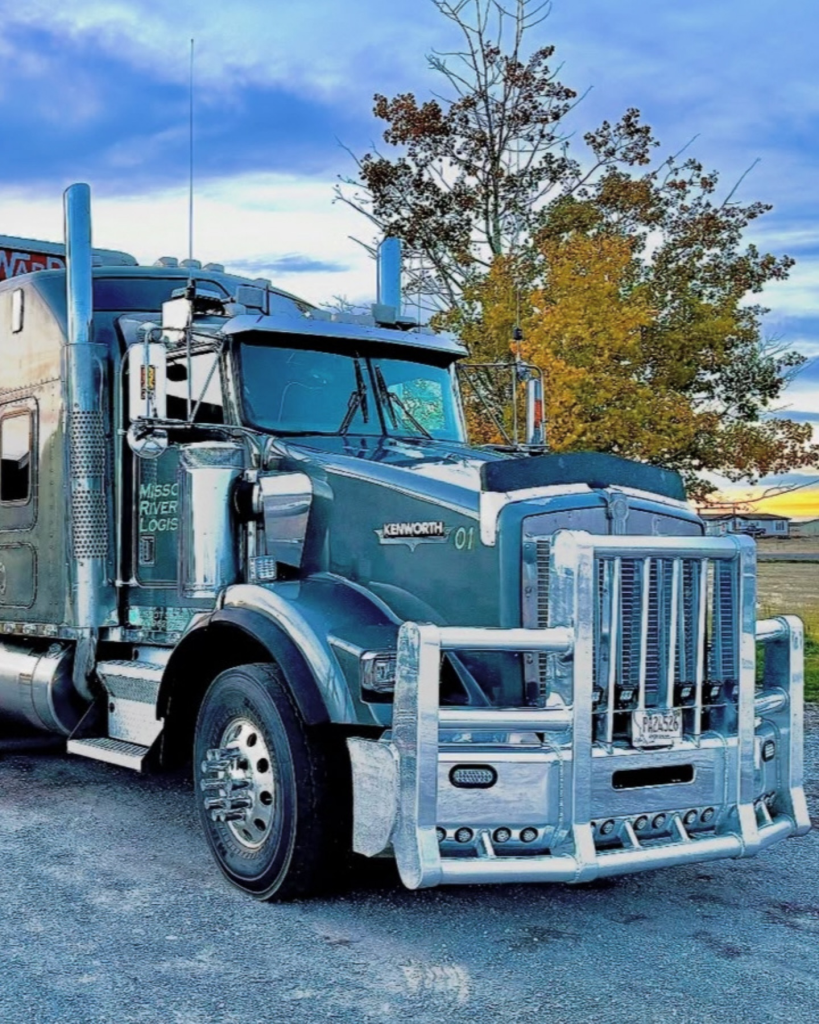
Custom Truck Guard Options and Model Fitment
Commercial truck guards are not universal fit products. A guard engineered for a Kenworth T680 is not the same as one built for a Freightliner Cascadia. HERD builds truck guards and grille guards with model-specific fitment for Volvo, Freightliner, International, Kenworth, Mack, Peterbilt, and Western Star – confirmed by make, model, and year.
The Grille Guard 200 and Grille Guard 300 represent two distinct positions in the Gen 4 lineup. The GG-200 offers clean, professional front-end protection with a streamlined profile. The GG-300 is built for more demanding applications with a bolder visual presence. Both are constructed to the same Gen 4 engineering standards and carry the same finish options and warranty coverage.
For operations sourcing multiple units, HERD offers a free freight program on orders of five or more guards with matching SKUs.
Ready to Specify the Right Guard?
Knowing what to look for is half the decision. The other half is confirming the right fitment for your specific truck and application.
Browse the full HERD grille guard lineup to see the Gen 4 options, or contact HERD to get in touch with a dealer who can confirm fitment and availability for your specific truck.
Frequently Asked Questions
What are the most important commercial truck guard features to compare?
Start with tube diameter and steel grade, then look at mounting bracket specifications, internal gusseting, and latch mechanism design. These structural elements show up most clearly in real-world performance. From there, confirm finish options and CAS compatibility for your specific trucks. A guard that checks out visually but falls short on bracket spec or service access tends to cost more over time than one built to true commercial standards.
What does AR450 or Hardox-rated steel mean for mounting brackets?
AR450 and Hardox are armor-grade steel classifications known for hardness and impact resistance. When a manufacturer uses these ratings for mounting brackets, it indicates a higher-spec material choice at the connection point between the guard and the truck. It’s a meaningful spec – not just a marketing description – and worth confirming when comparing brackets across brands.
Why does the latch system matter on a semi truck guard?
A semi truck guard latch system determines how easily the guard opens for front-end service access. If full removal is required every time a technician needs to reach the radiator area, that adds time to every maintenance visit. HERD’s Grip Latch is built around swing-open access. The guard opens without being detached from the truck, which keeps service straightforward and predictable for shop crews.
What’s the difference between polished and satin stainless finishes?
Both are stainless finishes on the same 304 steel base. Polished stainless – a mirror polish finish – has a high-gloss reflective surface that needs regular cleaning to stay sharp. Satin stainless has a brushed, lower-gloss look that’s easier to maintain day-to-day and shows surface marks less readily. Your operating environment and upkeep preferences are the main factors in choosing between them.
Do HERD grille guards work with collision avoidance systems?
Yes. HERD’s Gen 4 grille guards are engineered with CAS compatibility as part of the bracket and guard design. Radar sensor placement is accounted for in the structure rather than treated as an afterthought. That said, verification after installation is still a good practice. Radar sensor positions differ across makes, models, and years, so confirming system function after the guard goes on is worth building into your installation checklist.