
The Volvo VNL is built around aerodynamics. Its sculpted cab lines, integrated bumper design, and forward-mounted sensor systems reflect a platform where efficiency shapes every design decision. That same philosophy is what makes adding front-end protection to a VNL a more deliberate choice than it is on older, boxier platforms.
Volvo VNL truck guard options need to account for more than fit. The guard has to work with the truck’s sensor systems, complement its profile, and mount cleanly into the structural points the VNL provides.
HERD builds truck guards and grille guards specifically for the Volvo VNL. The Gen 4 lineup is model-specific, engineered around the VNL’s particular fitment requirements rather than adapted from a universal template. This article walks through what Volvo fleet managers and drivers need to know about compatibility, options, and what to expect from a well-specified guard on this platform.
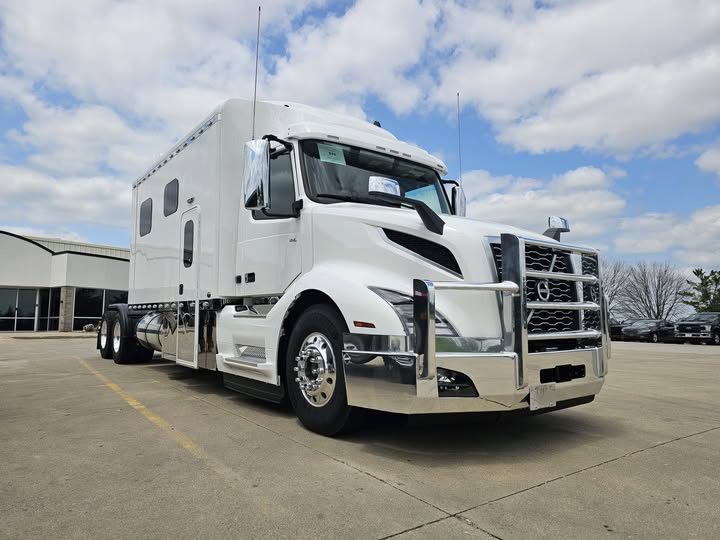
What Makes the Volvo VNL Different as a Platform
Not every truck presents the same front-end protection considerations. The VNL has a few characteristics that shape the guard selection and installation conversation in ways that don’t apply to other makes.
Aerodynamic Profile and Guard Clearance
The VNL’s cab and bumper geometry is more tightly integrated than on conventional-nose trucks. The front bumper flows into the lower fascia in a way that leaves less margin for aftermarket components, which means guard fit and profile are more careful considerations on this platform.
HERD’s Gen 4 guards are designed with the VNL’s profile in mind, with geometry developed to complement the truck’s existing lines rather than impose on them. That means real front-end protection without disrupting the cab’s intended look.
Radar and Sensor Integration
Modern VNL configurations come equipped with radar-based collision avoidance systems and forward-facing safety technology. A grille guard that isn’t designed with CAS compatibility in mind can obstruct those sensors, which makes compatibility a real consideration in any guard decision for this platform.
HERD’s Gen 4 grille guards are developed with CAS compatibility as a core design requirement. The guard structure and bracket positioning account for forward-facing sensor placement so the system can function after installation. Post-installation verification is still a necessary step, since sensor positions can vary between VNL model years and individual configurations – but compatibility is treated as a design requirement from the start, not resolved after the fact.
Tow Receiver Mounting on the VNL
HERD’s mounting system uses AR450/Hardox-rated heavy gauge steel brackets that integrate directly with the truck’s tow receivers. On the Volvo VNL, the tow receivers serve as structural integration points on the frame. The guard mounts into that structure rather than relying on sheet metal or secondary attachment points.
The “tow receiver” condition matters here. Corrosion, prior damage, or modifications to the receiver interface can affect how cleanly the brackets seat. Confirming the receiver condition before the guard is specified is part of getting the installation right on any VNL.
HERD Guard Options for the Volvo VNL
HERD builds both truck guards and grille guards for the VNL platform. The right choice depends on the truck’s operating profile, the level of front-end protection the fleet needs, and the visual result the operator wants on the truck.
Truck Guards
HERD’s truck guard lineup – including the Aero, Defender, and Texas – is built for commercial trucks running high-impact routes where full front-end coverage is the priority. Truck guards are designed to cover a broader portion of the front end than grille guards, including the lower bumper area and surrounding bodywork.
For VNL fleets in heavy wildlife corridors, logging routes, or debris-heavy interstate segments, a truck guard delivers broader protection. HERD’s truck guards include the Grip Latch system and are backed by a 3-year structural warranty.
Grille Guards
For fleets where front-end protection needs to work with the VNL’s aerodynamic profile, HERD’s Gen 4 grille guards offer targeted protection for the grille and radiator without the larger footprint of a full truck guard.
The Grille Guard 200 provides reliable front-end protection with a profile designed to sit cleanly on the VNL without overpowering the truck’s lines. It was developed in direct conversation with fleet managers.
The Grille Guard 300 is built for more demanding applications. Its bolder construction suits VNLs operating in conditions where the front end faces regular contact from wildlife, debris, or brush.
Both grille guards are built around:
- 3″ round 304 stainless steel tubing – a material and diameter specification engineered for maximum strength in commercial use
- AR450/Hardox-rated heavy gauge steel brackets mounting into tow receivers
- Welded gussets at uprights and tube connections for structural reinforcement
- Tapered box uprights for added rigidity across the guard profile
- CAS compatibility was worked into the bracket and guard design from the start
Both carry a 3-year warranty on the guard structure and a 5-year warranty on the Grip Latch mechanism.
Finish Options for the VNL
HERD’s Gen 4 grille guards are available in three finishes. On a truck with the VNL’s visual identity, finish selection is worth thinking through carefully.
- Polished stainless – A high-gloss, reflective finish that suits operators who want the guard to be a visible feature of the truck’s presentation. Requires regular cleaning to maintain its look, particularly in road salt environments.
- Satin stainless – A brushed, lower-gloss finish that integrates more quietly with the VNL’s cab lines. Easier to maintain day-to-day than polished stainless and a practical choice for fleets that want a clean look without a high-maintenance surface.
- Black powder coat – A coated finish suited for operators who prefer a consistent, low-profile front-end appearance, or whose truck’s color spec makes a stainless finish less desirable visually.
All three finishes start from the same 304 stainless steel base. Finish selection is a decision about appearance and upkeep preference, not guard performance.
Compatibility Confirmation: What to Do Before Ordering
Volvo VNL guard fitment is model-specific. The guard is specified for a particular truck configuration, not the nameplate broadly. Before ordering, the conversation with a HERD dealer should cover:
- VNL model year and generation – Different VNL generations have different front-end geometries. The guard specification follows the exact truck.
- Active safety system inventory – Identify all active radar sensors, cameras, and forward-facing systems. This becomes the post-installation verification checklist.
- Tow receiver condition – Confirm both receivers are sound and free of corrosion or prior damage before the guard is ordered.
- Finish selection – Confirm the finish before placing the order. A change afterward requires a full guard exchange.
HERD’s dealer network handles VNL fitment confirmation and can work through each of these points before the order is placed.
Ready to Spec a Guard for Your VNL?
Whether you’re protecting a single VNL or standardizing front-end protection across a Volvo fleet, the right starting point is a fitment conversation with an authorized dealer.
Contact HERD to reach a dealer who knows the VNL platform and can confirm the right guard specification for your exact truck configuration.
Frequently Asked Questions
What Volvo VNL truck guard options does HERD offer?
HERD builds both truck guards and grille guards for the Volvo VNL. Truck guards – including the Aero, Defender, and Texas – provide broader front-end coverage for high-impact environments. Grille guards, including the Gen 4 Grille Guard 200 and Grille Guard 300, offer targeted protection for the grille and radiator with a profile suited to the VNL’s aerodynamic design. All options are model-specific and available in polished stainless, satin stainless, and black powder coat.
Are HERD guards compatible with Volvo’s active safety systems?
Yes. HERD’s Gen 4 guards are developed with CAS compatibility as part of the bracket and guard design, accounting for forward-facing radar sensors. Volvo VNL configurations with active driver assistance systems still require post-installation verification to confirm sensor function on the specific truck. Sensor placement varies by model year and configuration, and post-installation testing is what confirms the guard and sensors are working correctly together.
How does the Grip Latch system work on a VNL installation?
The Grip Latch is a quick-release mechanism that lets the guard open for front-end service access without removing it from the truck. On a VNL, where technicians regularly access the front end for maintenance and system checks, this keeps service practical without compromising protection. HERD backs the Grip Latch with a 5-year warranty.
Can I run a HERD grille guard and still maintain the VNL’s aerodynamic efficiency?
HERD’s Gen 4 grille guards are designed to complement the VNL’s profile with proportions that integrate with the truck’s front end rather than projecting beyond it. For operators with specific aerodynamic performance requirements, that question is best directed to the dealer during the fitment conversation.
What’s the difference between a truck guard and a grille guard for the VNL?
A grille guard covers the grille and radiator specifically, with a profile designed to integrate with the VNL’s front-end geometry. A truck guard provides broader coverage extending to the lower bumper area and surrounding bodywork. For VNLs in high-exposure environments – wildlife zones, logging routes, debris-heavy corridors – a truck guard adds coverage a grille guard doesn’t. The operating environment is the main factor in choosing between them.