
There was a time when truck guards were thought of as a regional preference – something fleets in heavy wildlife corridors added when drivers pushed for it, or a feature that came with certain specialty applications. The broader fleet world largely treated front-end damage as a cost of operation: budget for it, repair when it happened, and move on.
That thinking has changed. Truck guards for fleets have shifted from an optional line item to a deliberate risk management decision, one that forward-thinking fleet managers and safety directors are making proactively rather than reactively. This article explores how that shift happened, why it reflects a broader evolution in fleet risk philosophy, and what it means for operations running in the high-exposure corridors of the US and Canada.
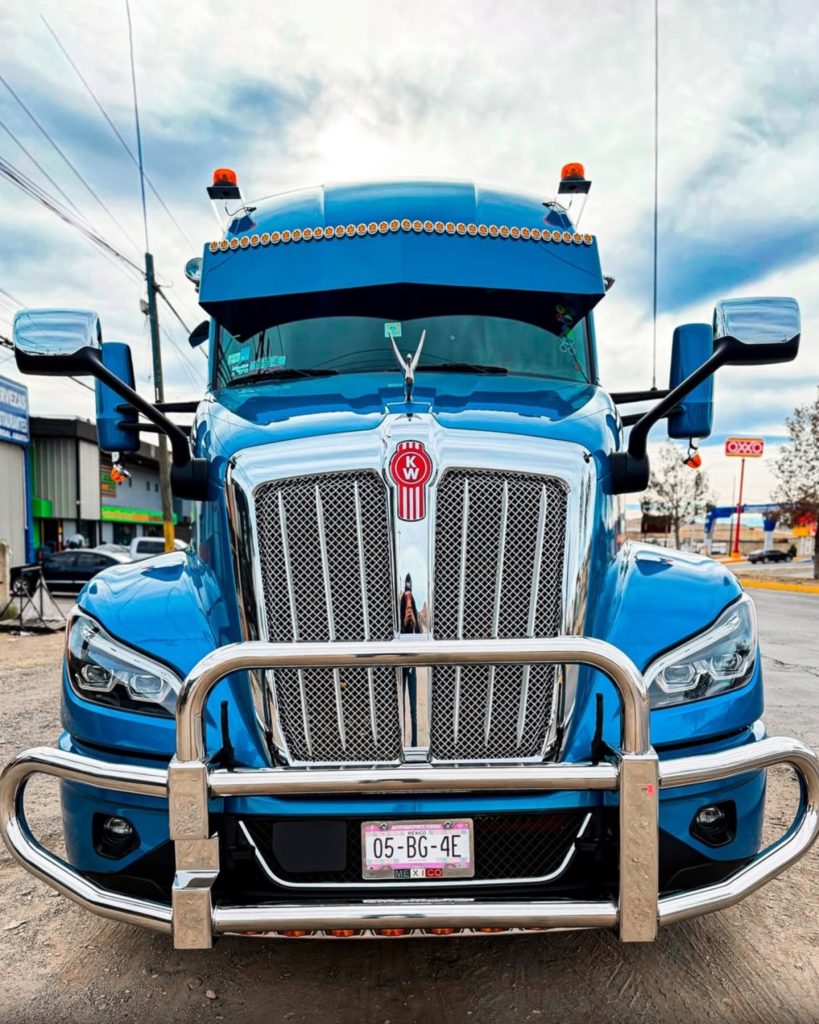
From Reactive Repairs to Proactive Protection
The traditional approach to front-end damage in commercial fleets was fundamentally reactive. A truck took a hit – a deer strike on a rural highway, road debris on an interstate, brush contact on a job site road – and the response was the same every time: pull the truck, assess the damage, schedule the repair, and wait for it to come back online.
That model has a cost structure that fleet managers know well: the repair itself, the downtime, and everything that compounds from there. Route disruption, pressure on other units and drivers, load redistribution – all of it follows a single front-end event. And because these incidents happen without warning, none of it can be scheduled around.
Forward-thinking fleets started asking a different question: what would it cost to prevent the damage rather than repair it? The answer shifted the conversation from the repair budget to the protection budget. A truck guard is where that conversation lands.
Why Front-End Risk Has Moved Up the Priority List
The shift toward proactive protection reflects several converging operational realities.
Route Exposure Is Consistent and Predictable
Fleets operating in wildlife-dense corridors – across the upper Midwest, the Canadian provinces of Ontario, Alberta, and Saskatchewan, the plains states from Nebraska through the Dakotas and into Montana, or the rural routes of Texas, Oklahoma, and Kansas – know that animal strikes aren’t random outliers. They’re a consistent feature of the operating environment. When a risk is predictable and route-specific, managing it proactively becomes the more logical operational choice.
Downtime Has Real Operational Weight
When front-end protection is viewed through a total cost of ownership lens, unplanned downtime carries real weight. A front-end incident doesn’t just create a repair bill. It removes a unit from service on no notice, disrupts routing, puts pressure on remaining capacity, and creates scheduling complexity that doesn’t resolve until the truck is back online.
When a single incident can cascade through the operational schedule the way a front-end event can, reducing the frequency and severity of those events becomes a legitimate priority – not just a maintenance consideration.
Fleet Asset Management Has Become More Disciplined
Fleet operations have become more rigorous about protecting assets across their full service life. Front-end condition is among the first things evaluated when a truck comes up for sale or trade-in. A truck with a clean, protected front end – one that ran guarded throughout its service life – tells a different story at the point of evaluation than one that accumulated contact damage without protection. That asset management perspective has changed how many fleet managers think about protection equipment.
What the Shift Looks Like in Practice
The evolution from reactive to proactive isn’t abstract. It shows up in how fleet managers approach specification decisions, procurement, and maintenance planning.
- Specification at entry. The more proactive approach is to specify guards when trucks enter the fleet, not after a first incident. Protection is in place from the first route rather than being added after damage has already occurred.
- Fleet-wide standardization. Rather than making guard decisions unit by unit, progressive fleet operations are standardizing front-end protection across makes and models. This creates consistency in both protection and maintenance, and simplifies procurement.
- Maintenance integration. Guards aren’t bolted on and forgotten. Fleet maintenance teams include them in walk-around checks, post-incident inspections, and scheduled service reviews.
- Proactive replacement. When a guard shows significant impact wear, it gets replaced. That’s a different mindset from the reactive model, where damage to the truck itself is what triggers action.
HERD Role in the Shift
HERD has been focused on commercial truck front-end protection since 2003. Their position in this market was built on understanding what commercial fleets actually need from a guard.
That focus on commercial fleet needs shows up in practical design decisions. The Grip Latch system, standard across HERD’s truck guard lineup, allows the guard to open for front-end service access without removal. For fleets that have integrated guards into their maintenance workflow, this feature keeps guards from becoming obstacles to scheduled service.
HERD guards are built for the major commercial makes – Volvo, Freightliner, International, Kenworth, Mack, Peterbilt, and Western Star – with model-specific fitment confirmed by make, model, and year. That specificity reflects how serious fleet operators approach equipment specification: as a configured, platform-matched component, not a universal fit.
The Gen 4 lineup includes multiple guard configurations suited to different operating environments, so fleet managers can match guard specifications to route exposure. HERD offers free freight on orders of five or more guards with matching SKUs – a useful feature when bringing protection across an entire fleet in one procurement cycle.
The Guards That Anchor the Lineup
HERD truck guard lineup covers the full range of fleet needs. The Aero, Defender, and Texas models each serve different operating profiles. Guards are available in polished stainless, satin stainless, and black powder coat, giving fleet asset managers control over appearance and maintenance across the service life.
For fleets where grille and radiator protection is the primary need, the Grille Guard 200 and Grille Guard 300 address the front end with Gen 4 construction – 304 stainless steel tubing, AR450/Hardox-rated brackets, welded gussets, and CAS compatibility – without the fuller coverage profile of a complete truck guard. Both grille guards carry a 3-year structural warranty and a 5-year warranty on the Grip Latch mechanism.
The Conversation Forward-Thinking Fleets Are Having
The fleet managers and safety directors who have moved to proactive front-end protection share a common framing: guards aren’t an expense. They’re a “position”. A position that says this fleet takes asset protection seriously, that downtime events have compounding operational cost, and that the right time to address a foreseeable risk is before it materializes.
It’s also where the industry is heading. Fleets that have made this shift are building toward fewer unplanned stops, better asset condition at end-of-life, and a maintenance culture that treats protection as standard rather than exceptional.
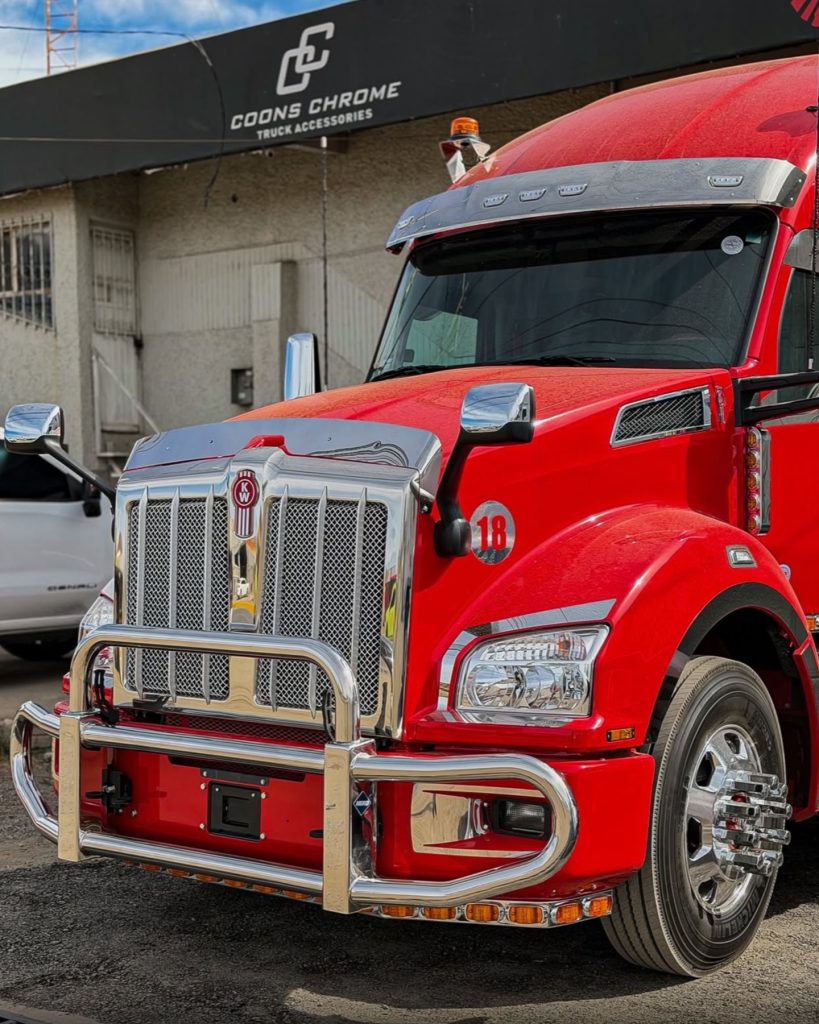
Ready to Spec Front-End Protection for Your Fleet?
The risk management logic behind front-end protection applies across fleet sizes and operating regions. Guards matched to your specific routes, makes, and operating environment put a fleet in a better position than one responding to damage after the fact.
Contact HERD to reach an authorized dealer who can confirm the right guard specification for your fleet’s makes, operating routes, and service requirements.
Frequently Asked Questions
What makes truck guards a risk management tool rather than just a product?
A truck guard addresses a foreseeable risk – wildlife strikes, debris impacts, brush contact – before that risk results in damage. In a risk management framework, the most effective interventions happen upstream of the event, not in response to it. A guard that prevents or limits front-end damage shifts the cost from repair and downtime to prevention and protection. That’s the operational logic that has moved guards from an optional add-on into a deliberate fleet specification decision.
How do fleet managers decide which HERD guard is right for their operation?
The starting point is route exposure. Fleets running high-wildlife corridors or routes with significant debris and brush contact need guards with more comprehensive coverage. Fleets where the primary risk is wildlife and road debris on interstate routes may find that a Gen 4 grille guard covers their exposure well. HERD guards are model-specific, so the conversation with a HERD dealer covers make, model, year, and route profile before a specification is confirmed.
Does standardizing guards across a fleet create procurement advantages?
Yes. HERD offers free freight on orders of five or more guards with matching SKUs. For fleet managers standardizing protection across multiple units of the same make and model, this simplifies logistics and supports consistency in maintenance. Technicians working across a standardized fleet develop familiarity with the guard and its Grip Latch operation.
Are HERD guards compatible with modern truck safety systems?
Yes. HERD Gen 4 guards are developed with CAS compatibility as part of the design. For fleets running modern truck configurations with radar-based collision avoidance systems, the guard structure and bracket positioning account for sensor placement from the outset. Post-installation verification is still a recommended step since sensor placement varies by make, model, and production year – but CAS compatibility is a design consideration from the start, not a retrofit.
How does guard condition factor into fleet asset management?
Guard condition and front-end condition are closely connected. When trucks come up for sale or trade-in, the front end is one of the first areas that gets assessed. A fleet that has run guards throughout the service life of its trucks – and kept them maintained – presents an asset that reflects that level of care. That’s part of the operational case for specifying protection from day one rather than addressing front-end conditions at the end of the asset cycle.