
A deer crossing the highway at night doesn’t give a driver much time to react. By the time an animal is visible in the headlights and confirmed as a threat, the window to respond is already closing fast. For commercial truck drivers covering long rural stretches through the Midwest or Canada, that situation isn’t hypothetical. It’s part of the job.
Most conversations about semi truck driver safety wildlife incidents focus on truck damage – the grille, the radiator, the hood. That’s a real concern, but it misses the more important part. When a large animal strikes an unprotected front end, the impact doesn’t always stay outside the cab. Depending on the size of the animal and speed of impact, debris, animal mass, or structural displacement can reach the driver. That’s the risk worth taking seriously.
With over 20 years of building front-end protection specifically for commercial trucks, HERD engineered the Gen 4 grille guard lineup to handle exactly this kind of impact – absorbing and redirecting the force before it reaches what matters most.
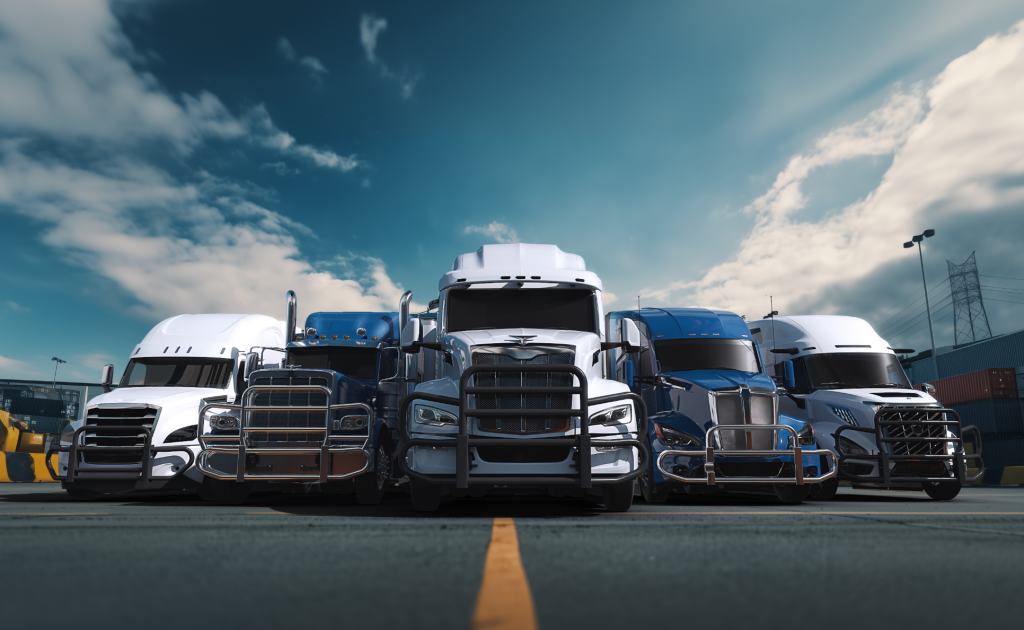
Why Wildlife Crossings Are a Serious Hazard for Commercial Drivers
Wildlife crossings are unpredictable. Animals don’t follow schedules, and the routes most likely to produce encounters are often the same ones commercial drivers cover most frequently. A few factors make these strikes particularly hazardous:
Low Visibility Conditions
Wildlife strikes are disproportionately a low-light problem. Long-haul drivers running overnight, dawn, or dusk schedules are moving through exactly the conditions when animals are most active and hardest to spot. Animals that freeze in the lights rather than clearing the road narrow the decision window even further.
Large Animal Mass
Not every wildlife strike involves a deer. On northern routes through Canada and parts of the upper Midwest, moose collisions are a known and serious hazard. Any driver who has shared a highway with a moose understands that the mass and height of the animal puts it in a completely different risk category from a deer encounter.
High-Speed Rural Routes
Commercial trucks on rural highway segments are typically running at highway speed with limited ability to slow before impact. The faster the truck is moving when a strike occurs, the more the front end has to manage – and the less time the driver has to influence the outcome.
What Happens to an Unprotected Front End During a Strike
When no guard is in place, a large animal strike at highway speed can result in:
- Grille and fascia failure – The front grille and surrounding panels are the first point of contact. In a strike event, they give way quickly with little protective benefit to the components behind them.
- Radiator damage – Once the grille gives way, the radiator is directly exposed. Radiator failure can force an immediate stop in a hazardous location.
- Hood displacement – In higher-speed or heavier animal collisions, the hood can be forced upward, blocking the driver’s forward sightline while the truck is still moving.
- Animal intrusion risk – In severe collisions at high speed with large animals, the impact force can carry through the front-end structure toward the windshield and cab area. This is the point where a wildlife strike moves beyond vehicle damage and into direct driver safety territory.
How a Grille Guard Creates a Protective Buffer
A grille guard is a purpose-built steel structure mounted in front of the truck’s grille and radiator. Its role in a wildlife strike is to intercept the impact before it reaches the truck’s bodywork and the components behind it.
HERD Gen 4 grille guards are built around:
- 3″ round 304 stainless steel tubing – a tube diameter and material grade engineered for maximum strength in commercial use
- AR450/Hardox-rated heavy gauge steel brackets mounted directly into tow receivers
- Welded gussets at uprights and tube connections for structural reinforcement
- Tapered box uprights that add rigidity to the overall guard profile
- CAS compatibility so radar-based collision avoidance systems remain functional after installation
The guard takes the initial impact. The grille, radiator, and front-end bodywork behind it are shielded from direct contact, keeping the cab further from the event. The Grip Latch lets technicians open the guard for routine front-end access without detaching it from the truck, so protection isn’t compromised between service visits.
Driver Safety: The Dimension That Gets Overlooked
Repair costs are quantifiable. Driver safety during a wildlife collision is harder to measure, but it’s the more critical outcome.
Maintaining Control After Impact
A large animal strike can cause sudden changes to vehicle dynamics. Hood displacement alone can cut off the driver’s forward sightline while the truck is still moving. A guard that keeps the front end intact after a strike gives the driver a better chance of staying in control through the event.
Keeping the Cab Separation Intact
The cab is the driver’s last line of protection. A grille guard extends the buffer zone forward, putting more engineered structure between the point of impact and the driver before the cab becomes involved.
Reducing Secondary Hazards
A forced stop on a rural highway after a wildlife strike creates its own risks – low visibility, limited shoulder space, and oncoming traffic. Front-end protection that limits damage to the guard itself rather than the truck’s operating systems improves the odds of reaching a safe stopping point rather than being forced to stop in a hazardous location.
Routes Where This Matters Most
Not every driver faces the same wildlife exposure. But for those who do, the risk is consistent and route-specific.
High-exposure routes include:
- Upper Midwest corridors – Minnesota, Wisconsin, Michigan, and the Dakotas carry high white-tailed deer populations. Night driving on rural interstates through these states produces regular wildlife encounters.
- Canadian highway routes – Moose and elk populations across Ontario, Manitoba, Saskatchewan, and Alberta create a different class of collision risk than deer strikes. Drivers in these regions treat moose on the road as a serious safety situation, not just a vehicle maintenance concern.
- Western mountain corridors – Routes through Montana, Wyoming, and Idaho carry significant deer and elk crossing activity, particularly in fall months.
HERD builds grille guards with model-specific fitment for Kenworth, Peterbilt, Freightliner, Volvo, International, Mack, and Western Star – the trucks most commonly operating on these routes.
Two Guards Built for Serious Front-End Protection
HERD Gen 4 lineup gives drivers a choice between two grille guards, each built to the same engineering specifications and offered in polished stainless, satin stainless, and black powder coat.
The Grille Guard 200 is the right starting point for drivers who want proven front-end protection with a clean, proportional look that doesn’t overpower the truck’s profile.
The Grille Guard 300 steps up in visual presence and is a natural fit for drivers running high-exposure routes where the front end is going to work hard. Both carry a 3-year structural warranty and a 5-year warranty on the Grip Latch mechanism.
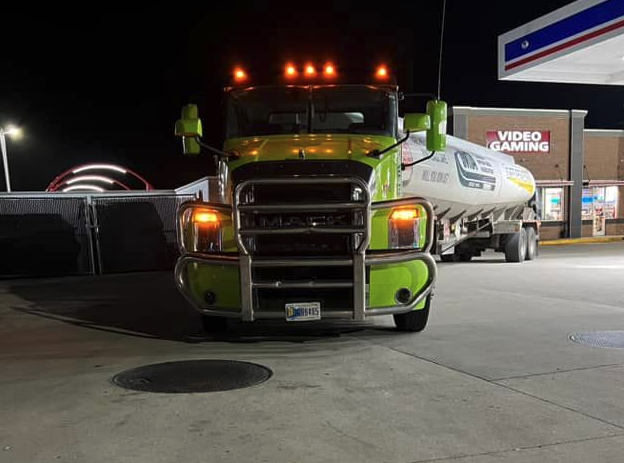
Protect the Driver, Not Just the Truck
Front-end protection decisions are often framed around repair costs. That’s fair. But for a driver running rural highways at night through the Midwest or Canada, the more important question is what happens inside the cab when the front end takes a hit.
A HERD grille guard puts a proven steel structure between the road and everything behind it. Contact HERD to reach an authorized dealer who can match the right guard to your specific truck.
Frequently Asked Questions
How does a grille guard improve semi truck driver safety in wildlife zones?
A grille guard is placed as a steel structure between the truck’s front end and an incoming animal. In a wildlife strike, the guard intercepts the impact before it reaches the grille, radiator, and bodywork behind it. This reduces the risk of hood displacement, front-end failure, and animal intrusion toward the cab. It also improves the chance of keeping the truck drivable after a strike, reducing secondary hazards from forced stops in low-visibility rural locations.
Do grille guards work against large animals like moose?
HERD Gen 4 guards are built from 304 stainless steel tubing with AR450/Hardox-rated brackets mounted into the truck’s tow receivers – construction engineered for the demands of commercial truck use. No front-end protection eliminates all risk in a collision with a large animal, but a properly constructed guard significantly changes what the front end can manage compared to an unprotected truck.
Which routes carry the highest wildlife strike risk for commercial drivers?
Rural interstate corridors through the upper Midwest – Minnesota, Wisconsin, Michigan, and the Dakotas – see regular wildlife encounters. Canadian provincial highways through Ontario, Manitoba, Saskatchewan, and Alberta carry moose and elk exposure that puts them in a different risk category. Western mountain corridors through Montana, Wyoming, and Idaho are also significant, particularly in the fall months. Overnight and low-light schedules through any of these regions increase the exposure considerably.
Are HERD grille guards compatible with modern truck safety systems?
Yes. HERD Gen 4 grille guards are engineered with CAS compatibility as part of the bracket and guard design, accounting for radar-based collision avoidance systems. Verification after installation is still recommended since sensor positioning varies across makes, models, and production years.
How do I choose between the Grille Guard 200 and the Grille Guard 300 for wildlife protection?
Both are built to the same Gen 4 spec – 304 stainless tubing, AR450/Hardox brackets, welded gussets, Grip Latch, and CAS compatibility. The GG-200 is a strong choice for drivers who want solid protection with a lower-profile look. The GG-300 suits drivers running routes with frequent or higher-severity wildlife exposure and prefer a guard that signals that reality. Where you drive and what you encounter most often will point you toward the right one.